
How to Grow Hair Faster: Evidence-Based Methods vs the Myths
You have swallowed the biotin, massaged the scalp, and started measuring your ponytail against last month's photo, yet your hair grows at roughly the pace of a glacier. Here is the honest truth about how to grow hair faster: you cannot make a follicle sprint, because its speed is largely fixed by genetics, age and hormones. What you can do is remove every obstacle that slows visible progress and protect the length you already own.
This guide separates the methods with real evidence from the myths that empty your wallet. We cover nutrition, scalp health, breakage, the role your pillow plays overnight, and when slow growth is a medical matter rather than a haircare one. No miracle promises, just what actually moves the needle.
Quick Answer
To grow hair faster, focus on retention rather than raw speed: hair grows about half an inch a month per the American Academy of Dermatology, and you cannot override that pace. Protect length by reducing breakage, eating enough protein and iron, keeping the scalp healthy, avoiding heat and chemical damage, and cutting overnight friction with a silk pillowcase.
Key Takeaways
- Growth speed is mostly genetic; the biggest lever you control is retention, meaning keeping the length you grow instead of losing it to breakage.
- Nutrition matters most when you are deficient: protein, iron, vitamin D and zinc support the follicle, but extra supplements do little if your levels are already normal.
- Scalp health, gentle handling, and less heat and bleaching preserve more length than any single "growth" product.
- Trimming does not speed growth, but it removes split ends that travel up the shaft and force you to cut more later.
- Friction from cotton bedding snaps fragile ends overnight; a smoother surface protects the length you are working so hard to keep.
- Sudden or patchy shedding is a medical signal, not a haircare problem, and warrants a GP or dermatologist.
In This Article
- What actually determines how fast hair grows
- How to grow hair faster: the methods with real evidence
- The popular myths that do nothing
- Nutrition: what your follicles actually need
- Scalp health: the foundation most people skip
- How friction and sleep quietly cost you length
- Silk vs cotton vs satin: the honest comparison
- A daily and weekly routine to speed up hair growth
- When slow growth needs a doctor
- Frequently asked questions

What actually determines how fast hair grows
Hair growth speed is mostly out of your hands, set by genetics, age, hormones and general health. The American Academy of Dermatology notes that scalp hair grows roughly half an inch a month on average, and no shampoo or serum meaningfully overrides that biological rate.
Each strand follows a cycle: a long active growth phase (anagen), a short transition, and a resting phase before shedding. Only follicles in the growth phase are lengthening at any moment, which is why hair does not all grow in unison.
Because you cannot rewrite that cycle, the smartest strategy is not chasing speed but protecting what grows. Someone whose ends snap off nightly and someone with intact ends may grow hair at the same rate, yet only one of them sees the length.
Expert Insight: The Cleveland Clinic explains that hair growth is influenced by age, genetics, hormones and nutrition, and that healthy adults typically see about six inches of new growth a year, a rate you support rather than accelerate.
Source: Cleveland Clinic
How to grow hair faster: the methods with real evidence
The methods that genuinely help fall into two groups: supporting the follicle and protecting the strand. Both matter, but the second is where most people find quick, visible wins.
1. Protect existing length from breakage. Reducing mechanical damage from rough handling, tight styles and abrasive fabrics keeps ends intact, so growth translates into visible length instead of disappearing at the tips.
2. Eat enough protein, iron and key nutrients. Hair is largely protein, and deficiencies in iron, vitamin D or zinc can slow growth or trigger shedding, per the AAD. Correcting a genuine shortfall helps; overdosing when levels are normal does not.
3. Consider scalp massage. Regular scalp massage may support the follicle environment and is low risk, though the evidence is modest rather than dramatic. It costs nothing but a few minutes.
4. Treat scalp conditions. Dandruff, seborrhoeic dermatitis and inflammation can disrupt healthy growth. Managing them with appropriate care creates a better environment for hair to thrive.
5. For genuine thinning, ask about minoxidil. Topical minoxidil is one of the few treatments with regulatory approval for hair loss. It suits pattern thinning, not slow growth in otherwise healthy hair, so speak to a clinician first.
6. Cut heat and chemical damage. Bleach, high heat and frequent chemical processing weaken the cuticle, raising breakage. Less damage means more retained length over months.
Expert Insight: The American Academy of Dermatology advises that treating the scalp gently, limiting heat styling and avoiding tight hairstyles helps prevent the breakage and traction damage that make hair look like it never grows.
Source: American Academy of Dermatology
If you want the daily version of these habits mapped out, our guide to a hair care routine for growth breaks down the small scalp-stimulating rituals worth keeping.
The popular myths that do nothing (or make it worse)
Most viral "grow hair faster" tips do not survive contact with the evidence. Here are the ones worth ignoring.
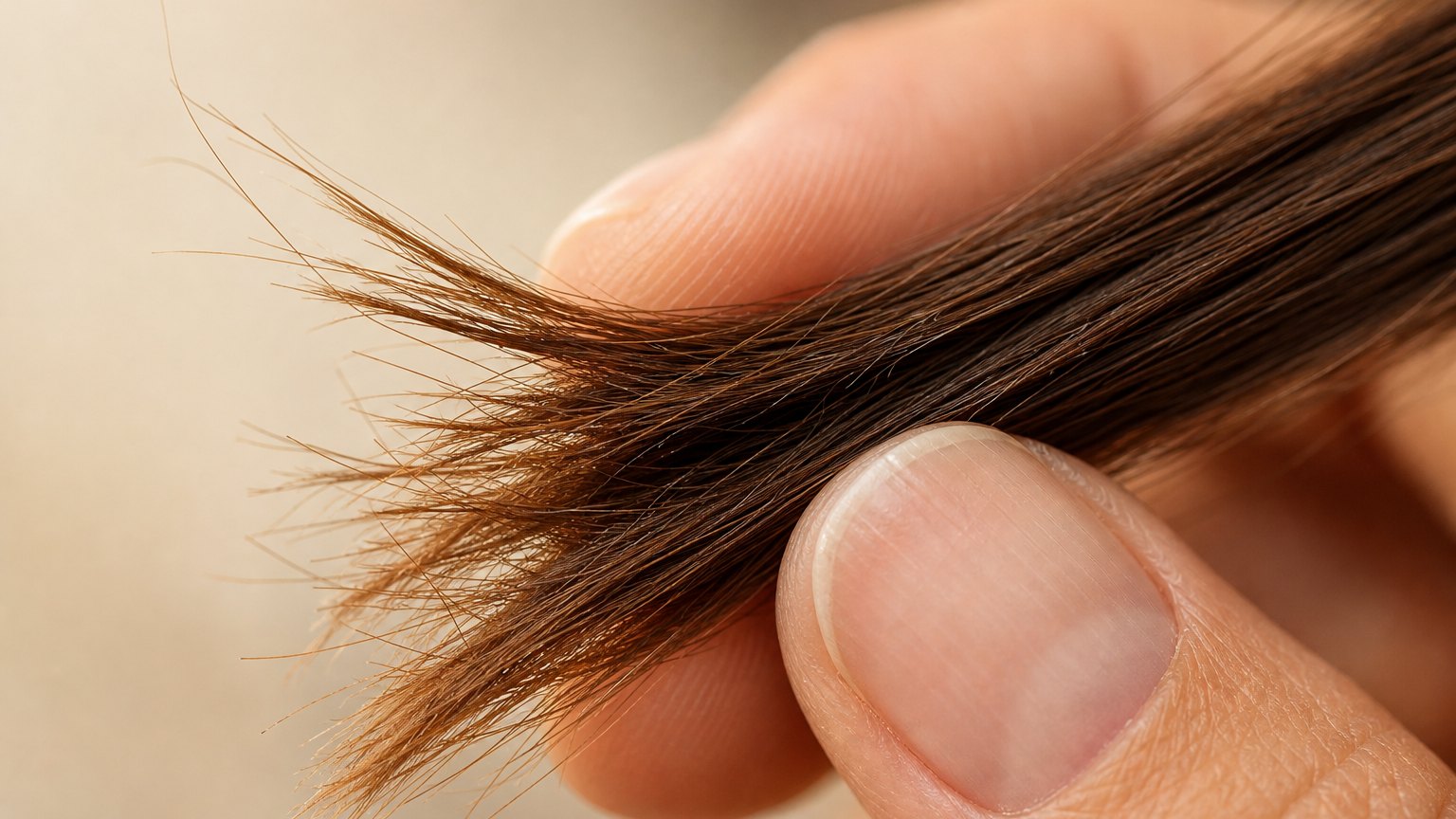
Myth: trimming makes hair grow faster. Cutting the ends has no effect on the follicle, so it cannot speed growth. It does remove split ends before they travel up the shaft, which protects length, so regular trims are still worthwhile.
Myth: biotin transforms everyone's hair. Biotin only helps if you are genuinely deficient, which is rare. For most people with normal levels, extra biotin does little beyond producing expensive urine.
Myth: 100 brush strokes a night. Excessive brushing adds friction and tension, increasing breakage rather than growth. Gentle detangling from the ends upward is far kinder.
Myth: cold water rinses dramatically boost growth. A cool rinse can smooth the cuticle for shine, but it does not accelerate the follicle. Pleasant, not powerful.
If a product promises to double your growth speed, the only thing growing faster is the seller's revenue.
Expert Insight: The NHS notes that biotin and most hair supplements only benefit people with an actual deficiency, and that a varied, balanced diet usually supplies everything the body needs for healthy hair.
Source: NHS
Nutrition: what your follicles actually need
Nutrition supports hair growth most when it corrects a genuine shortfall, not when you pile supplements on top of an already adequate diet. Hair is built largely from the protein keratin, so chronically low protein intake can slow growth and weaken strands.
Protein. Adequate daily protein from eggs, fish, beans, dairy or lean meat gives follicles the raw material they need. Crash diets that slash protein are a common hidden cause of shedding.
Iron. Low iron, especially in menstruating women, is a well-recognised contributor to hair thinning. If you are pale, tired and shedding, ask your GP for a ferritin test rather than self-dosing iron.
Vitamin D and zinc. Both are linked to healthy hair cycling, and deficiencies can show up in the hair before anywhere else. Sunlight, oily fish and a varied diet usually cover them.
The takeaway is unglamorous but reliable: fix deficiencies, eat enough, and stop expecting a capsule to outperform a balanced plate.
Expert Insight: The American Academy of Dermatology lists iron deficiency, rapid weight loss and inadequate protein among common causes of temporary hair shedding, all of which reverse once the underlying nutrition is corrected.
Source: American Academy of Dermatology

Scalp health: the foundation most people skip
A healthy scalp is the soil your hair grows from, and neglecting it undermines everything else. Buildup, inflammation and irritation can disrupt the follicle environment and slow visible progress.
Cleanse on a schedule that suits your hair, since both over-washing and rarely washing cause problems. If you are unsure how often that should be, our breakdown of how often to wash your hair for growth walks through the evidence.
Gentle scalp massage during washing, using fingertips rather than nails, may support circulation and feels good regardless. Treat any persistent flaking, itching or soreness rather than masking it, because an irritated scalp rarely produces its best hair.
If your scalp itches mostly at night, that is worth diagnosing on its own, as covered in our guide to a back of head that itches at night.
How friction and sleep quietly cost you length
The problem: your hair spends seven or eight hours a night dragging against your pillow, and cotton is rougher at a fibre level than most people realise. Every toss and turn lets the cuticle catch, snag and lift, and over months that mechanical stress shows up as breakage, frizz and split ends, the exact things that stop growth becoming visible length.
How you sleep is a bigger part of hair, skin and beauty than most routines acknowledge, which is why our wider skin, beauty and sleep collection keeps returning to the overnight hours as the quiet make-or-break window for length retention.
Hair scientists at institutions such as TRI Princeton have long studied how surface friction damages the hair shaft, and the effect is greatest on hair already weakened by bleach, heat or colour. You can spend a fortune on bond builders while your pillow quietly undoes the work each night.
The solution: a pillowcase that lets hair glide instead of grip. A smoother surface reduces the overnight friction that snaps fragile ends, so more of your growth survives until morning. It does not make hair grow faster from the root, but it protects the length you are trying so hard to keep.
Expert Insight: The Sleep Foundation reports that silk is gentler on hair than cotton or linen because its smooth surface lets strands glide with less snagging, helping reduce friction, tangling and breakage overnight.
Source: Sleep Foundation
Expert Insight: The American Academy of Dermatology recommends a satin or silk pillowcase to help hold a hairstyle and reduce friction, breakage and frizz, particularly for curly and fragile hair.
Source: American Academy of Dermatology
The overnight upgrade that protects the length you grow
The problem: friction breakage happens invisibly while you sleep, so it rarely gets blamed for the length that never seems to arrive.
The solution: a genuine mulberry silk pillowcase that works with your hair rather than against it, removing a nightly stressor so your growth actually shows.

For the full picture of what silk does and does not do for strands, our guide to whether a silk pillowcase actually works for hair is a useful companion read.
Silk vs cotton vs satin: the honest comparison
Before you upgrade your pillowcase, it helps to know exactly what you are comparing, because satin and silk are not the same thing. Satin is a weave, not a fibre, and can be made from polyester, nylon or silk, which means quality varies wildly.
| Property | Silk | Cotton | Satin (polyester) |
|---|---|---|---|
| Surface friction | Lowest | Higher; more cuticle drag | Lower than cotton; varies |
| Moisture retention | Keeps hair hydrated | Draws moisture from hair | Low to moderate |
| Breathability | Excellent natural fibre | Good | Can feel warm |
| Static | Low | Low | Higher, especially fine hair |
| Durability | 3 to 5 years with care | 1 to 2 years | 1 to 2 years |
| Verdict for retaining length | Best all-round choice | Not ideal for fragile hair | A budget step up from cotton |
If budget rules, a good polyester satin pillowcase beats cotton and is a sensible start. If you want the fuller upgrade that addresses friction, moisture and breathability at once, 100% mulberry silk is the more complete tool. Our comparison of whether satin is good for hair digs into the nuance.
A satin label tells you how the fabric is woven, not what it is made of, which is precisely the trick some brands rely on.
Expert Insight: The Sleep Foundation describes silk as breathable, moisture-wicking, hypoallergenic and naturally resistant to dust mites, which makes it a practical choice for sensitive scalps as well as fragile hair.
Source: Sleep Foundation
A daily and weekly routine to speed up hair growth
The fastest visible progress comes from a consistent routine that protects length, not from any single hero product. Here are the grow-hair-faster tips worth building in.
Daily habits
- Detangle gently from the ends upward with a wide-tooth comb, never yanking through knots.
- Skip tight ponytails and hard elastics that cause traction; loop hair loosely with a soft silk scrunchie.
- Keep heat tools low and use a heat protectant when you do reach for them.
- Sleep on a smooth surface to cut overnight friction, ideally loosely tied or plaited.
Weekly habits
- Wash on a schedule that keeps the scalp clean without stripping it.
- Use a nourishing mask or deep conditioner to keep the mid-lengths and ends supple.
- Check for split ends and book a small trim before they travel up the shaft.
- Eat consistently well; hair notices crash diets long before the scales do.
Decision Checklist
- Is your hair breaking off faster than it grows? Prioritise retention and friction reduction first.
- Are you eating enough protein and iron, or have you been dieting hard? Fix the diet before the supplements.
- Is your scalp itchy, flaky or sore? Treat the scalp before expecting new growth.
- Do you heat style or bleach often? Reducing damage will show more length than any serum.
- Is shedding sudden, patchy or heavy? That is a medical signal, not a haircare fix.
- Still sleeping on cotton? A silk pillowcase is the cheapest overnight upgrade for length retention.
When slow growth needs a doctor, not a serum
Slow growth or noticeable shedding sometimes signals a medical issue that no pillowcase or supplement will fix. See a GP or dermatologist if hair falls out in patches, sheds suddenly and heavily, or thins along a clear pattern.
The AAD lists thyroid disorders, autoimmune conditions, iron deficiency, hormonal changes, certain medications and chemotherapy among the many causes of hair loss that require proper assessment. These are biological, not mechanical, problems.
Silk, nutrition and gentle handling address the mechanical end of the equation. They protect and support hair, but they do not treat underlying medical hair loss, and pretending otherwise wastes precious time. If in doubt, get tested.
Expert Insight: The American Academy of Dermatology stresses that hair loss has dozens of possible causes, from hormones to nutritional deficiency, and recommends a professional diagnosis rather than self-treatment when shedding is sudden or patchy.
Source: American Academy of Dermatology
If you want the plushest overnight protection
The problem: heavier daily routines, restless sleepers and those who love a denser, more cushioned feel sometimes want more from their bedding than a standard weight offers.
The solution: a higher momme weight that delivers the same low-friction protection with a more substantial, luxurious hand feel that many find longer lasting in use.

Stop losing the length you grow
Give fragile ends a smoother place to rest every night with genuine OEKO-TEX certified mulberry silk, backed by our 60-night guarantee.
Shop the Collection →Free delivery · 60-night guarantee · Set of 2
Frequently Asked Questions: How to Grow Hair Faster

How can I grow my hair faster naturally?
Focus on retention rather than speed. Eat enough protein and iron, keep your scalp clean and healthy, avoid heat and tight styles, detangle gently, and reduce overnight friction with a silk pillowcase. You cannot override your genetic growth rate, but you can stop losing the length you grow.
What actually makes hair grow faster?
Nothing safely accelerates the follicle beyond its genetic rate, which the Cleveland Clinic puts at roughly six inches a year. What makes hair look like it grows faster is protecting existing length from breakage, correcting nutritional deficiencies, and keeping the scalp healthy so growth is not undermined.
Does trimming make hair grow faster?
No. Trimming has no effect on the follicle, so it cannot speed growth. It does remove split ends before they travel up the shaft, which prevents further breakage and helps you retain more length overall, so regular trims still support the goal.
How much does hair grow in a month?
Scalp hair grows about half an inch a month on average, according to the American Academy of Dermatology, though genetics, age, hormones and health shift that figure. Growth slows with age and varies between individuals, which is why comparisons with other people are rarely useful.
Do biotin supplements help hair grow faster?
Only if you are genuinely deficient, which is uncommon. The NHS notes a balanced diet usually supplies enough biotin, so extra supplements rarely help people with normal levels. Spend the money on protein-rich food and gentle handling instead of expensive capsules.
Can scalp massage speed up hair growth?
Scalp massage may support the follicle environment and is low risk, but the evidence is modest rather than dramatic. Use fingertips, not nails, for a few minutes during washing. Treat it as a helpful supporting habit, not a standalone growth solution.
Why is my hair growing so slowly?
Often it is not growing slowly, it is breaking off as fast as it grows. Friction, heat, bleach, tight styles and rough handling erase length at the ends. Sudden or heavy shedding can also signal iron deficiency, thyroid issues or hormonal change, which need a doctor.
Does a silk pillowcase help hair grow?
A silk pillowcase does not make hair grow from the root, but it protects length by reducing overnight friction that causes breakage and frizz. The Sleep Foundation and AAD both note silk is gentler on hair than cotton, helping fragile ends survive to become visible length.
How can I grow long hair quickly without damage?
Prioritise retention: minimise heat and chemical processing, use gentle detangling, avoid tight elastics, keep ends moisturised, and sleep on silk to cut friction. Consistency over months matters far more than any quick fix, since you are protecting steady growth rather than forcing it.
What foods help hair grow faster?
Protein sources such as eggs, fish, beans and dairy give follicles raw material, while iron, vitamin D and zinc support healthy cycling. The AAD links deficiencies in these to shedding. A varied, balanced diet supports hair far better than any single superfood or supplement.
Does washing hair less make it grow faster?
Washing frequency does not change how fast hair grows, but the right routine keeps the scalp healthy, which supports growth. Both over-washing and rarely washing can cause problems, so match your schedule to your hair type and scalp needs.
How long does it take to see hair growth results?
Because hair grows about half an inch a month, meaningful length takes several months, and habit changes show gradually. You may notice fewer tangles and less breakage within a few weeks of reducing friction, but genuine added length is a patient, months-long project.
Further Reading
Sources and References
- American Academy of Dermatology. Tips for Healthy Hair. aad.org.
- American Academy of Dermatology. Do You Have Hair Loss or Hair Shedding? / Causes of Hair Loss. aad.org.
- Cleveland Clinic. How Fast Does Hair Grow? health.clevelandclinic.org.
- Sleep Foundation. Benefits of a Silk Pillowcase. sleepfoundation.org.
- NHS. Vitamins and Minerals. nhs.uk.
- TRI Princeton. Hair and Fibre Science Research. triprinceton.org.