
Is Satin Good for Hair? Satin vs Silk and the Honest Answer
Lunelle Team
12 min read
Is satin good for hair? More people are asking this after noticing their pillowcase might be behind the overnight frizz, tangles, and breakage that feel mysteriously random. The internet recommends satin. Also silk. Sometimes both in the same sentence, as if they were the same thing. They are not.
Satin is a weave. Silk is a fibre. A polyester satin pillowcase and a silk satin pillowcase both carry the "satin" name, and they perform very differently. Understanding that distinction is the difference between making a useful upgrade and buying something shiny that does approximately nothing except look good in a flat-lay photograph.
This guide answers the question properly. It covers what satin actually is, where it genuinely helps hair, where it falls short, how it compares to silk, and which option is worth your money depending on what your hair actually needs.
Quick Answer
Yes, satin is good for hair, particularly as an upgrade from cotton. Its smoother surface reduces friction, which can minimise overnight frizz, tangling, and breakage. However, satin is a weave, not a single material, so performance varies considerably depending on the underlying fibre. Silk outperforms synthetic satin for breathability, temperature regulation, and consistency. If the budget allows, silk is the better all-round choice. If not, a good quality satin is still a meaningful improvement over cotton.
Key Takeaways
- Satin is a weave, not a fibre. It can be made from polyester, nylon, rayon, or silk. The underlying material determines how it performs for hair, skin, and sleep comfort.
- The American Academy of Dermatology specifically recommends silk or satin pillowcases to reduce friction for curly and textured hair. Reduced friction means less tangling, less frizz, and less breakage overnight.
- Silk outperforms synthetic satin for breathability and temperature regulation, making it a better choice for people who sleep hot or want the most consistent all-round upgrade.
- No pillowcase, whether satin or silk, has been clinically proven to grow hair or reverse existing damage. The benefit is friction reduction, which helps limit new damage rather than repair old damage.
- A silk pillowcase in the 19 to 25 momme range offers the most consistent combination of smoothness, breathability, and durability for both hair and skin.

In this article
- Why friction matters for hair overnight
- What satin actually is
- Where satin genuinely helps your hair
- Where satin falls short
- Satin vs silk: the honest comparison
- The silk pillowcase upgrade
- Which hair types benefit most
- Satin bonnet vs pillowcase
- What to look for when buying
- Frequently asked questions
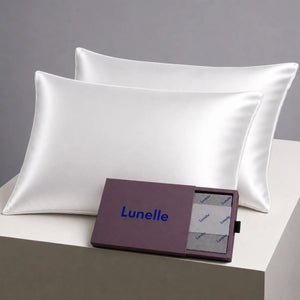
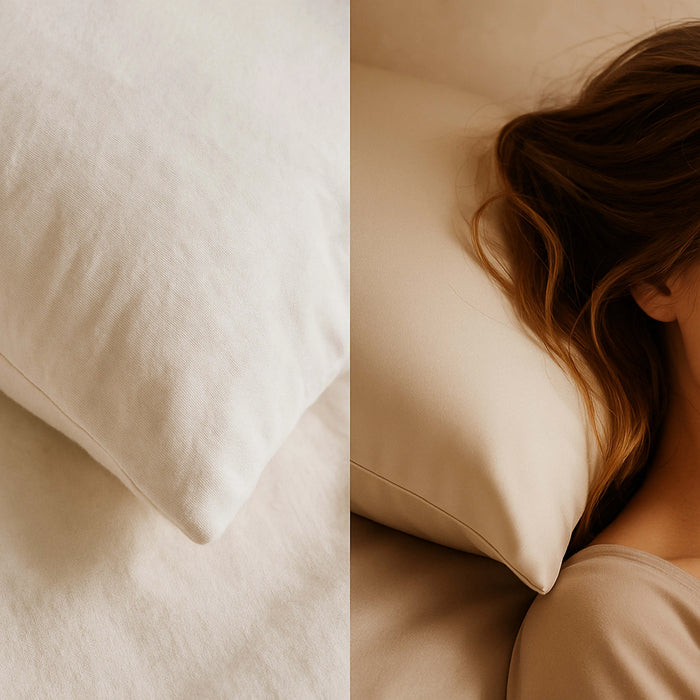
The upgrade that polyester satin was calling itself, without any of the credentials.
Shop Now →Why friction matters for your hair overnight
Hair is built in layers, and the outermost layer, the cuticle, is the one that takes the most damage during everyday life. It is made up of overlapping scales, similar in structure to roof tiles. When those scales are smooth and lying flat, hair is shiny, manageable, and less prone to tangling. When they are roughened or disrupted, hair becomes frizzy, dull, more likely to break, and considerably more opinion-giving about the direction it intends to go.
Physical friction is one of the main contributors to cuticle disruption. Research on hair care and cosmetic science describes hair weathering as a cumulative process, driven by a combination of physical and chemical stressors. Friction between the hair shaft and a rough surface, repeated hundreds of times a night during movement and repositioning, adds up. A cotton pillowcase does not have particularly hostile intentions toward your hair. It is simply a slightly rough surface that your hair spends eight hours being dragged across.
Expert Insight: Research published in the International Journal of Cosmetic Science describes how repeated physical stress, including friction, contributes to hair weathering by disrupting the cuticle layer over time. Once the cuticle is roughened, the cortex beneath becomes more vulnerable to further damage from heat, chemicals, and mechanical stress. A lower-friction sleep surface reduces this accumulation, particularly for hair that is already fragile.
Source: MDPI, Human Hair and the Impact of Cosmetic Procedures
This is the mechanism that makes pillowcase material relevant to hair health. It is not magic. It is friction. Reduce the friction, and you reduce one of the primary overnight stressors on your hair cuticle.
What satin actually is, and why it matters for performance
Satin is a weaving technique, not a raw material. It refers to a specific way of interlacing threads that produces a smooth, lustrous surface on one side of the fabric. As Britannica notes, satin is defined by its weave structure, with threads crossing over each other in a pattern that creates a long, floating surface on the face of the fabric. That floating surface is what creates the smoothness that makes satin feel glossy and slippery to the touch.
The critical point is this: satin can be made from any number of underlying fibres, and the choice of fibre dramatically affects how the fabric performs.
| Satin type | Underlying fibre | Smoothness | Breathability | Durability | Typical price |
|---|---|---|---|---|---|
| Polyester satin | Synthetic | Smooth | Low | Good | Budget |
| Nylon satin | Synthetic | Very smooth | Low | Good | Budget to mid |
| Acetate satin | Semi-synthetic | Smooth | Low to moderate | Moderate | Mid |
| Silk satin (charmeuse) | Natural silk fibre | Very smooth | High | Good with proper care | Premium |
When most people are deciding between "satin" and "silk" for their hair, they are really deciding between synthetic satin (usually polyester) and silk charmeuse. They are both smooth. They are not the same fabric, and they do not perform the same way.
Where satin genuinely helps your hair
For anyone currently sleeping on a standard cotton pillowcase, satin is a genuine improvement. The smoother surface produces less friction against the hair shaft, which can reduce tangling overnight and make the morning routine considerably less confrontational.
The American Academy of Dermatology is specific about this. Its guidance on curly hair recommends reducing friction against pillowcases to help preserve curl definition and reduce breakage, naming satin and silk as suitable materials. That is not just a vague lifestyle recommendation; it is expert guidance grounded in the known relationship between friction and hair cuticle damage.
Expert Insight: The American Academy of Dermatology advises that reducing friction against your pillowcase can help preserve curls and reduce frizz and breakage, specifically recommending satin or silk bonnets and pillowcases as alternatives to standard cotton. This guidance is particularly relevant for curly, coily, and textured hair types, where overnight friction is a primary contributor to morning frizz and style disruption.
Source: American Academy of Dermatology, 6 Curly Hair Tips from Dermatologists
Cleveland Clinic adds a useful supplementary observation: friction from rubbing hair or lashes against a pillow can contribute to breakage over time, and silk or satin allows hair and skin to glide more easily. The friction argument is consistent across dermatology, trichology, and sleep research.
Satin is also a practical choice for its price and ease of care. A good quality synthetic satin pillowcase is significantly less expensive than a silk one and is generally easier to machine wash without special detergent. The Sleep Foundation notes that non-silk satin is usually cheaper and easier to clean than silk, which is a meaningful advantage for anyone who wants the friction benefit without the premium care routine.

Where satin falls short
Satin's main limitation is breathability, and this matters more than most product descriptions acknowledge. Synthetic satin, which accounts for most budget satin pillowcases, is made from plastic-based fibres that do not allow air to circulate well. The Sleep Foundation explicitly notes that silk is more breathable than satin made with synthetic materials, so hotter sleepers or people in warmer climates may find synthetic satin uncomfortable in a way that affects sleep quality.
There is also the quality consistency problem. Because "satin" describes a weave rather than a fibre, the range of what qualifies as a satin pillowcase is enormous. An inexpensive polyester satin and a premium silk charmeuse both earn the name, but they perform very differently. That variability makes shopping for satin harder than it should be, because the smoothness you feel in one product may be completely absent in another of the same nominal type.
Expert Insight: The Sleep Foundation notes that silk, as a natural fibre, is typically more breathable than synthetic satin, which is usually made from polyester. For people who sleep hot, sweat at night, or simply prefer the feel of natural fibres, silk offers a noticeably more comfortable sleep environment. Breathability also affects how quickly the pillow surface dries from overnight moisture, which is relevant for anyone managing oily skin or scalp conditions.
Source: Sleep Foundation, Satin vs. Silk Pillowcase
The evidence question is also worth keeping honest. The Sleep Foundation is direct on this: there is no direct clinical research proving a correlation between pillowcases and hair health, even though the friction theory is plausible and widely repeated by dermatologists and trichologists. Satin can genuinely help. It cannot perform miracles. A pillowcase is not a hair treatment; it is an environmental change that removes one source of repeated overnight stress from a surface that is already dealing with enough.
Satin vs silk for hair: the honest comparison
The direct comparison between satin and silk produces a fairly consistent answer across dermatology, sleep science, and textile research: both are better than cotton for hair, and silk is generally better than synthetic satin. The question is by how much, and whether the difference is worth the price gap.
| Property | Synthetic satin (polyester) | Mulberry silk (charmeuse weave) |
|---|---|---|
| Surface smoothness | Smooth | Very smooth; lower measured friction than cotton or synthetic satin |
| Breathability | Low; synthetic fibres trap heat | High; natural protein fibre allows airflow |
| Temperature regulation | Poor; can feel warm and clammy | Good; naturally thermoregulating |
| Moisture | May sit on the surface | Naturally moisture-wicking; less likely to draw oils from hair |
| Static | Can generate static, particularly in dry conditions | Naturally low-static |
| Care requirements | Machine washable; forgiving | Gentle cycle; mild detergent; air dry |
| Price | Budget to mid-range | Premium |
| Best for | Budget-conscious upgrade from cotton; easy care | Best all-round option for hair, skin, and sleep comfort |
Expert Insight: TRI Princeton, a textile research organisation, measured friction force between different fabrics and hair and found that silk produces a lower friction force than cotton under the same test conditions. The Sleep Foundation adds that silk is less likely to draw oils from hair than synthetic materials, which can help hair retain moisture overnight and feel less dry or brittle by morning.
Source: TRI Princeton, Everyone is Talking About: Silk Pillowcases; Sleep Foundation, Benefits of a Silk Pillowcase
The upgrade your hair can actually feel
The problem: overnight friction is one of the most consistent, underestimated contributors to hair damage. Eight hours of a hair shaft rubbing against a rough or semi-rough fabric, repeated every night, adds up to a meaningful amount of cumulative cuticle stress. The result is frizz, tangling, breakage, and the quietly frustrating sense that your hair is getting worse despite doing all the right things. The cotton pillowcase is almost certainly not doing you any favours.
The solution: a pillowcase in a material that allows hair to glide rather than snag.
Lunelle 22 Momme Silk Pillowcase, Set of 2
A silk pillowcase is the upgrade that silk satin actually is. The charmeuse weave of Grade 6A mulberry silk produces the smooth, low-friction surface that TRI Princeton's research confirms produces less resistance against hair than cotton. Unlike synthetic satin, it is naturally breathable and moisture-wicking, so it works with your hair's moisture levels overnight rather than sitting inertly against them. It also does not generate static, which is the thing that makes certain satin pillowcases on dry winter mornings a genuinely unpleasant experience.
- 100% Grade 6A mulberry silk
- 22 momme weight, the Sleep Foundation's recommended quality range
- Charmeuse weave for a smooth, low-friction surface
- OEKO-TEX certified, free from harmful chemicals
- Envelope closure
- Machine washable
- 60-night guarantee
Which hair types benefit most from a smooth pillowcase?
The friction-reduction benefit of satin or silk is universal, but some hair types see a more pronounced difference than others.
Curly and coily hair benefits most significantly. Curl patterns are defined by the relationship between the hair shaft and the cuticle. Overnight friction disturbs that relationship, pulling the cuticle away from its natural direction and disrupting the curl definition that took time to set. Both the AAD and Cleveland Clinic specifically mention curly hair as a primary beneficiary of lower-friction pillowcases.
Chemically treated or bleached hair has a more vulnerable cuticle structure by definition. The chemical processes used in colouring, bleaching, or relaxing hair open and alter the cuticle, leaving the hair shaft more susceptible to further physical damage. A lower-friction sleep surface reduces one more source of stress on an already-compromised structure.
Extensions and hairpieces have limited attachment points and are more susceptible to tangling and dislodgement during sleep. A smooth pillowcase reduces the friction that can cause tangling around the attachment points, particularly relevant for tape-in or fusion extensions.
Fine or thinning hair does not have the structural redundancy of thick hair. Each strand that breaks due to friction is more noticeable, and fine hair is also more likely to tangle overnight. The combined effect of reduced tangling and reduced breakage is more visible for finer hair types.
Natural hair in protective styles is already trying to minimise physical stress. A lower-friction pillowcase extends the principle of the protective style into the sleep environment, reducing the friction that would otherwise work against what the style is designed to achieve.

Satin bonnet versus satin pillowcase: which is better for hair?
Both protect hair from overnight friction, and the better choice depends on your sleep habits and preferences. They work through the same mechanism, just applied differently.
A satin or silk bonnet keeps the hair enclosed throughout the night, which is particularly useful for protective styles, elaborate sets, or hair that is long enough to spread across the entire pillow. The bonnet stays with the hair regardless of sleep position. The limitation is that bonnets can slip off during the night, and some people find them uncomfortable or disruptive to sleep.
A satin or silk pillowcase requires no effort during the routine and stays in place by definition, since it is fixed to the pillow. The limitation is that hair can slide off the pillow onto other surfaces during sleep. For shorter hair or those who tend to sleep in one position, the pillowcase usually provides sufficient coverage. For very long hair or those who move considerably during sleep, a bonnet may provide more consistent coverage.
The two can also be combined. A silk pillowcase used alongside a loose satin bonnet provides maximum coverage for people with long, fragile, or elaborately styled hair, as the bonnet keeps the style contained while the pillowcase provides a smooth surface for any hair that escapes. Healthline notes that dermatologists commonly recommend this layered approach for people with particularly fragile or heat-styled hair who want the most consistent overnight protection.
What to look for when buying a satin or silk pillowcase
Key quality markers
- For satin: Check the fibre content. 100% polyester satin is the most common and most affordable. Rayon or acetate satin is slightly softer. Silk satin is the premium version; confirm the fibre is actually silk before paying silk prices.
- For silk: Look for 100% mulberry silk with a momme weight between 19 and 25. The Sleep Foundation identifies this as the ideal quality range. Below 19 momme, the fabric may feel thin; above 25 momme it will be more substantial and more expensive.
- Grade 6A mulberry silk is the highest raw silk quality standard. Good Housekeeping notes that a 6A designation, combined with a 22 momme or higher weight, is a reliable indicator of quality.
- OEKO-TEX certification confirms the fabric is free from harmful chemicals. Particularly relevant for a product that will be in contact with your skin and hair for eight hours.
- Charmeuse weave is the standard for silk pillowcases and the weave most associated with that characteristic smooth, slightly lustrous surface.
- Check the care instructions. Machine-washable silk (on a gentle cycle) is more practical for weekly washing. A pillowcase that requires dry cleaning is not a sustainable daily-use item for most people.
- Closure type matters more than expected. Envelope closures (where the pillow tucks inside a flap) keep the pillow more securely contained than open-end designs, which is a small practical improvement.
Expert Insight: The Sleep Foundation recommends checking for momme weight, mulberry silk designation, and care instructions before purchasing a silk pillowcase. It identifies 19 to 25 momme as the ideal range, and notes that Grade 6A is the highest quality standard for mulberry silk. Machine washability on a gentle cycle is also listed as a desirable feature for long-term practicality.
Source: Sleep Foundation, How to Wash Silk Pillowcases
Ready to upgrade beyond satin?

Natural silk. More breathable, more consistent, and measurably lower friction than synthetic satin.
Everything synthetic satin does, and then the things it cannot.
Also available: 30 Momme Silk Pillowcase, Set of 2 →
Grade 6A mulberry silk. OEKO-TEX certified. 60-night guarantee.
Frequently asked questions

Is satin good for hair or is that just marketing?
It is not just marketing. Satin's smooth surface reduces friction against the hair cuticle, and dermatology guidance from the American Academy of Dermatology specifically recommends satin or silk as alternatives to cotton for reducing overnight hair breakage and frizz. The caveat is that satin quality varies significantly depending on the underlying fibre; synthetic satin and silk satin are very different products that share a name.
Is satin or silk better for hair?
Silk is generally the better all-round option. Both reduce friction compared to cotton, but silk is a natural fibre with better breathability, natural moisture management, and more consistent smoothness than synthetic satin. Satin made from polyester can generate static in dry conditions and tends to trap heat. Silk charmeuse does neither. If budget is the deciding factor, quality satin is still a meaningful upgrade over cotton.
Do satin pillowcases help with frizz?
They can. The smoother surface reduces overnight friction, which is one of the primary mechanical contributors to frizz. This is especially relevant for curly or coily hair, where the curl pattern is easily disrupted by fabric roughness overnight. Satin will not eliminate frizz caused by humidity, product choices, or hair health, but it removes one significant contributing factor.
Will a satin pillowcase help hair grow?
Not directly. No clinical evidence shows that pillowcase material increases hair growth rate. What satin or silk may do is reduce overnight breakage, which means hair that is growing at its normal rate is less likely to break before it reaches length. The effect is retained length, not accelerated growth. The distinction matters if your goal is actually longer hair rather than less breakage.
Is satin good for curly hair specifically?
Yes. Curly hair is particularly susceptible to friction-related disruption overnight, because the curl pattern depends on the cuticle lying in a consistent direction. Fabric roughness lifts the cuticle against its natural grain, contributing to frizz and style loss. The AAD specifically recommends satin or silk for curly hair. Silk charmeuse is the most consistent option; high-quality polyester satin is a reasonable budget alternative.
Is satin good for fine hair?
Yes, often more noticeably than for thicker hair. Fine hair has less structural redundancy: each strand that breaks is more visible, and fine hair is more prone to tangling overnight. A smooth pillowcase reduces both issues. Silk is particularly well-suited to fine hair because it is also less likely to draw moisture from the hair shaft, which can help fine hair stay hydrated overnight.
Is satin good for hair extensions?
Generally yes. Extensions are more susceptible to tangling around attachment points during sleep, and a smoother pillowcase reduces the friction that causes this. A satin or silk pillowcase is often recommended alongside a loose plait or bun for extension wearers. A silk bonnet worn over a silk pillowcase provides maximum overnight protection for longer extensions.
What is the difference between satin and silk for hair?
Satin is a weave; silk is a natural fibre. Satin pillowcases are usually made from synthetic fibres (polyester, nylon) woven in a satin pattern. Silk pillowcases are made from natural silk fibre in a charmeuse weave. Both are smooth, but silk is more breathable, naturally moisture-wicking, and does not generate static. Silk satin (charmeuse) is both: a satin weave and a silk fibre.
Does satin help with hair breakage?
It can reduce friction-related breakage. The AAD links reduced pillowcase friction to less overnight breakage, particularly for curly and textured hair. Satin will not address breakage caused by chemical damage, heat styling, or nutritional deficiency. It removes one mechanical stressor from the equation; it cannot substitute for other aspects of a healthy hair care routine.
How often should I wash a satin or silk pillowcase?
About once a week, which matches the recommended frequency for cotton pillowcases. Pillowcases accumulate oils, sweat, skin cells, and hair product residue regardless of their material. For silk, use a gentle or delicate machine cycle with cool water and a pH-neutral detergent formulated for silk or delicates, and air dry rather than using a tumble dryer.
Is a satin bonnet better than a satin pillowcase?
Neither is definitively better; they solve the same problem through different methods. A bonnet keeps hair enclosed and protects elaborately styled or very long hair regardless of sleep position. A pillowcase requires no additional step and stays in place reliably. A bonnet can slip off; a pillowcase does not cover all the hair for every sleeper. Many people with long or styled hair use both together for maximum overnight coverage.
Sources and References
- American Academy of Dermatology. 6 Curly Hair Tips from Dermatologists. aad.org
- Sleep Foundation. Satin vs. Silk Pillowcase. sleepfoundation.org
- Sleep Foundation. Benefits of a Silk Pillowcase. sleepfoundation.org
- Sleep Foundation. How to Wash Silk Pillowcases. sleepfoundation.org
- Britannica. Satin: Silk, Polyester, Weave. britannica.com
- Cleveland Clinic. 5 Reasons Why Your Eyelashes Are Falling Out. health.clevelandclinic.org
- MDPI. Human Hair and the Impact of Cosmetic Procedures. mdpi.com
- PMC / NCBI. On Hair Care Physicochemistry: From Structure and Degradation to Novel Biobased Conditioning Agents. pmc.ncbi.nlm.nih.gov
- TRI Princeton. Everyone is Talking About: Silk Pillowcases. triprinceton.org
- Good Housekeeping. Best Silk Pillowcases, Tested and Reviewed. goodhousekeeping.com
- Healthline. Can a Silk Pillowcase Benefit Your Skin and Hair? healthline.com