
Caring for Printed Silk Garments Without Fading the Pattern
Lunelle Team
12 min read
Yes, you can wash printed silk at home. The label, a quick colourfastness test, cool water, and a pH-neutral detergent are the four things standing between you and a beautifully maintained garment. The part most people get wrong is not the washing itself. It is the steps they skip before the water ever runs.
Printed silk is already a sensible combination of things: a protein fibre that is naturally strong but becomes weaker when wet, printed with dyes that can migrate under heat, alkaline conditions, or aggressive friction. None of those vulnerabilities are difficult to manage. They just require a slightly different approach than the one most laundry routines were designed around.
This guide covers everything from the two checks you should run before washing anything, to the specific mistakes that cause irreversible fading, to how different print types respond differently to water. If you have ever held a printed silk blouse over a basin and genuinely considered just owning fewer things, this is for you. If you are newer to silk care in general, our complete guide to keeping silk looking new covers the foundational principles this article builds on.
Quick Answer
Hand wash printed silk in cool water with a pH-neutral, enzyme-free detergent. Run a colourfastness test on a hidden seam first. Use gentle swishing rather than scrubbing, soak briefly, and never wring. Dry flat away from direct sunlight. If the care label says "dry clean only" or if dye transfers during testing, take it to a professional. Most washable printed silks respond well to this routine.
Key Takeaways
- Always check the care label and run a colourfastness test before washing any printed silk garment.
- Use cool water and a pH-neutral, enzyme-free detergent. Regular laundry detergent is alkaline and will damage silk over time.
- Wet friction is one of the most common causes of print fading. Swish gently; do not scrub, wring, or twist.
- Dry away from direct sunlight. UV exposure causes dye fading and physical weakening of silk fibres.
- Different print types (screen, digital, hand-painted) have different tolerances. When in doubt, err towards dry cleaning.
In This Article
- Why Printed Silk Needs More Care Than Plain Silk
- The Two Checks to Run Before You Wash Anything
- How to Hand Wash Printed Silk Step by Step
- Can You Machine Wash Printed Silk?
- The Three Washing Mistakes That Ruin Prints
- How to Dry Printed Silk Without Fading the Colour
- Ironing Printed Silk the Right Way
- Storing Printed Silk Garments Long-Term
- Stain Removal on Printed Silk
- Does Your Print Type Change How You Wash?
- The Overnight Connection: Printed Silk and Your Pillowcase
- Frequently Asked Questions

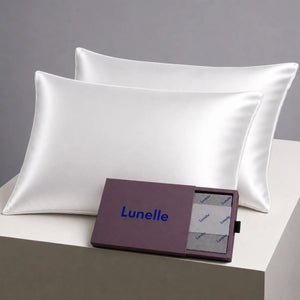
The same low-friction logic that protects printed silk. Applied overnight.
Shop →Why Printed Silk Needs More Care Than Plain Silk
Plain silk is already a fabric that does not suffer fools. Add a print and you now have two things that can go wrong instead of one.
Silk is a protein fibre composed mainly of fibroin, and it loses tensile strength when wet. The Canadian Conservation Institute describes silk as strong yet fine, absorbent, and sensitive to both moisture and light. These are the baseline challenges for any silk garment. For printed silk, there are additional ones.
Wet friction is the single most common cause of print fading. Most people blame the detergent, the temperature, or occasionally the water itself. It is almost always the rubbing.
Research on dyed and digitally printed silk fabrics has found that colour fastness is relatively robust against many stressors but weakest under wet friction conditions. This explains why scrubbing a stain on printed silk tends to spread the problem rather than solve it. The dye is not poorly applied; it is simply more vulnerable when the fabric is saturated and force is being applied to its surface.
UV light is the second major threat. Silk is sensitive to light, and prolonged exposure contributes to both dye fading and physical degradation of the fibre itself. The two effects compound each other: a light-damaged silk fabric cannot hold its dye as effectively, and the colour loss accelerates accordingly.
The Two Checks to Run Before You Wash Anything
Skipping these two steps is where most printed silk disasters begin. Both take under three minutes. Neither is optional.
Two minutes of checking. That is the gap between a beautifully maintained garment and a very expensive lesson about protein fibres.
Check 1: Read the Care Label
UK and EU garment care labels are governed by textile regulations that require manufacturers to provide care instructions. If the label says "dry clean only," that instruction exists because the manufacturer determined that home washing poses a risk to the garment in its specific form. A lined, structured printed silk jacket and a lightweight printed silk scarf may use the same fabric but have very different care requirements.
Take the label seriously. If it says "hand wash only," that is the maximum level of mechanical agitation the garment was designed to tolerate. If it says "dry clean only," the print, lining, or construction likely cannot withstand water safely.
Check 2: Run a Colourfastness Test
This is the step most people skip and subsequently regret. The colourfastness test takes two minutes and tells you whether the dye in the print will migrate when wet.
- Find a hidden seam, hem, or interior section of the garment.
- Dampen a clean white cloth with cool water.
- Press it gently against the hidden area for 30 seconds.
- Check the cloth for any colour transfer.
If colour appears on the white cloth, the print is telling you clearly that home washing will result in dye migration. Take the garment to a professional dry cleaner.
If the dye transfers during a gentle 30-second press, picture what happens during a five-minute soak with agitation. The colourfastness test is not overcaution. It is the reason you still own a garment at the end of it.
 How to Hand Wash Printed Silk Step by Step
Hand washing is the safest method for most washable printed silk garments. It gives you control that no machine cycle can replicate, and it keeps agitation gentle enough to protect both the fibre and the print.
Control is the whole point of hand washing. Your hands can feel when the fabric is being handled too roughly. The machine cannot, and it will not apologise for what happens next.
- Fill a clean basin with cool water. Lukewarm is the maximum. Hot water speeds dye migration and weakens silk fibres. Cool water is always the right call.
- Add a small amount of pH-neutral, enzyme-free detergent. Look for products specifically formulated for silk or wool. A teaspoon is usually sufficient. More detergent does not mean more clean.
- Submerge the garment and soak briefly. Three to five minutes is enough to loosen surface oils and dirt. Do not leave silk to soak for extended periods.
- Move the fabric through the water with gentle swishing. Think of this as coaxing the water through the fabric rather than washing it. Your hands should be moving the garment gently, not pressing, rubbing, or twisting it.
- Rinse thoroughly in cool, clean water. Detergent residue left in silk can cause dullness and gradual fibre damage. Rinse until the water runs completely clear.
- Do not wring. Press the garment gently against the side of the basin to remove excess water, then lift it out carefully supporting its full weight.
For a more detailed guide to washing silk at home, our article on how to wash a coloured silk pillowcase covers the full process including detergent selection and the colourfastness steps that apply to any dyed silk.
Can You Machine Wash Printed Silk?
Some modern silks are engineered to tolerate machine washing. This is a fabric-specific feature, not a universal property of silk. If the care label explicitly permits machine washing, you can proceed, with the right settings.
- Use the delicate or silk cycle only.
- Set the temperature to cold.
- Place the garment inside a mesh laundry bag to reduce surface abrasion during the cycle.
- Use a minimal amount of silk-safe, pH-neutral detergent.
- Remove the garment promptly when the cycle ends. Leaving damp silk in a machine drum causes creasing that can be difficult to remove without ironing.
Machine washing is a label-specific permission, not a universal one. The delicate cycle is not a workaround for a dry-clean-only label. It is just a slower way to cause the same damage.
When in doubt, hand wash. The additional two minutes are worth the certainty.
The Three Washing Mistakes That Ruin Prints

| Mistake | What Happens | How to Avoid It |
|---|---|---|
| Hot or warm water | Accelerates dye migration, weakens protein fibres, causes shrinkage | Use cool water only. Lukewarm maximum. |
| Regular laundry detergent | Alkaline pH degrades fibroin over time; enzymes attack protein structure | Use a pH-neutral, enzyme-free detergent formulated for silk or wool. |
| Scrubbing or wringing | Wet friction causes print fading, fibre breakage, and surface pilling | Gentle swishing only. Press gently against the basin to remove water. |
Bleach, optical brighteners, and fabric softener also belong on the avoidance list. Bleach destroys silk fibres and will strip colour from any print. Optical brighteners leave residue and can cause uneven tonal changes. Fabric softener coats the fibre surface and dulls the natural sheen that makes printed silk worth owning in the first place. Our article on common silk care mistakes covers the full list of what to avoid, including a few that trip up even experienced silk owners.
How to Dry Printed Silk Without Fading the Colour
Drying is where careful washing can be undone in an hour. The two main culprits are direct sunlight and mechanical stress from wringing.
Once you have pressed excess water from the garment (gently, never twisted), lay it flat on a clean, dry towel. Roll the towel and garment together loosely and press along the length to absorb remaining water. Unroll, remove the garment, and either lay it flat on a fresh dry surface or hang it carefully on a padded hanger.
Never dry printed silk in direct sunlight. UV light does not discriminate, and it is extremely good at its job. A shaded spot indoors is the right call every time.
The Smithsonian notes UV light as a primary cause of yellowing, dye fading, and loss of structural integrity in protein fibres. Silk stored or dried in direct sun is not just slowly losing its colour; it is losing its physical strength at the same time.
A tumble dryer is not an option, even on a low setting. Heat causes irreversible damage to silk fibres and dramatically accelerates dye migration. If your garment is damp and you need it dry quickly, a cool fan pointed at the flat-dried garment is the safest shortcut.
Ironing Printed Silk the Right Way
Printed silk can be ironed, but the combination of heat and pressure on a printed surface requires slightly more care than ironing plain silk.
- Iron only when fully dry. Ironing damp silk can cause permanent watermarks and distort the print.
- Set the iron to the silk or lowest setting. This is typically around 110 to 120 degrees Celsius. National Park Service textile conservation guidance notes that silk begins to yellow and weaken at temperatures above 120°C, and any scorching is irreversible. Anything higher risks scorching the fabric and burning the print.
- Iron on the reverse side. Placing the printed face down protects the design from direct heat contact and reduces the risk of surface marking.
- Use a pressing cloth. A clean cotton cloth laid between the iron and the silk adds an extra layer of protection, especially for more delicate or hand-painted prints.
- Use steam cautiously. Light steam can help release creases, but direct steam on a printed surface can cause dye spotting on certain print types. Test on a hidden area first.
If you have ever scorched silk, you already know it becomes a permanent reminder considerably longer than the two minutes you saved by turning the heat up. The coolest effective setting is always the right one.
Storing Printed Silk Garments Long-Term
Silk garments that are stored correctly can last decades. The main enemies in storage are light, humidity, insects, and physical pressure.
A silk garment stored well can outlast the wardrobe it lives in. Most do not get the chance.
Light and Temperature
Textile conservators consistently identify light as one of the most damaging long-term stressors for delicate fabrics. Even indirect natural light, accumulated over months of storage, will gradually shift the colours in a printed silk garment. Store silk in a dark wardrobe or drawer, wrapped in acid-free tissue paper if possible.
Humidity
Excess humidity encourages mould and mildew, both of which cause irreversible damage to silk fibres. A cool, dry environment is ideal. Avoid storing silk in spaces that experience significant temperature fluctuation, such as lofts or unheated garages.
Insects
Moths are attracted to protein fibres. Silk is a protein fibre. This is not a coincidence you want to test. The National Park Service's textile conservation guidance recommends storing clean textiles in sealed containers as the primary moth deterrent, because moths are drawn to soiled fibres first. Cedar blocks or natural lavender sachets are gentler supplementary measures than chemical moth repellents, but their effectiveness is often overstated. Our guide to common silk care myths covers what cedar and lavender can and cannot realistically do, and why "replace them regularly" matters more than most people realise.
Hanging vs Folding
Lightweight printed silk garments such as scarves and blouses can be stored either way. If hanging, use a padded hanger to avoid stress marks at the shoulders. Heavier silk pieces are better folded, with unbuffered acid-free tissue paper between layers to prevent colour transfer and crease damage. Avoid wire hangers entirely.
For detailed guidance on all aspects of silk storage, our article on how to store silk properly covers everything from humidity control and hanger choice to long-term moth prevention.


Stain Removal on Printed Silk
Stains on printed silk require a different approach from stains on cotton or synthetic fabrics. Speed matters more than force.
The first 60 seconds after a spill matter more than everything that comes after. Every second beyond that is just the stain getting more comfortable.
Immediate Action
Blot the stain immediately with a clean white cloth. Press gently to absorb as much of the substance as possible. Do not rub; rubbing pushes the stain deeper into the fibre and risks spreading it across the print. Work from the outside edge of the stain inward to prevent spreading.
Cool Water First
For water-soluble stains (juice, wine, coffee), cool water applied gently with a clean cloth will often lift most of the residue before any detergent is needed. Work from the reverse side of the fabric where possible, so you are pushing the stain back out the way it came in rather than further through the weave.
When to Use Detergent
If cool water alone is not sufficient, apply a tiny amount of pH-neutral silk detergent to the stained area with a clean cloth. Work gently. Rinse with cool water and repeat if necessary. Do not apply detergent directly from the bottle onto printed silk; dilute it first.
When to Go Professional
Oil-based stains, ink, wine that has dried, or any stain on a dry clean only garment should go straight to a professional cleaner. Be specific: tell them the garment is printed silk, describe the stain and its origin, and mention whether you have already applied water. That information helps them choose the safest treatment method.
Does Your Print Type Change How You Wash?
Not all printed silk is created equal. The application method used to put colour onto the fabric affects how the print behaves when it meets water, heat, and friction. Knowing which type you have changes how confidently you can wash at home.
| Print Type | How It's Applied | Wet Friction Tolerance | Home Wash Suitability |
|---|---|---|---|
| Screen printing | Dye or pigment forced through a mesh screen onto the fabric | Moderate. Pigment-based inks sit on the surface and are more vulnerable to abrasion. | Possible if label allows. Always colourfastness-test first. |
| Digital printing | Inkjet-style printing directly onto fabric | Variable. Depends heavily on the ink type and post-processing used. | Generally more durable than screen-printed, but test first. |
| Hand-painted | Dyes applied by hand, often with limited fixing agents | Low. The dye application is typically thinner and less heat-fixed than industrial methods. | Professional cleaning strongly recommended for any hand-painted piece. |
| Resist dyeing (batik, shibori) | Wax or other resist agents create patterns during dyeing | Generally good, as the dye penetrates the fibre rather than sitting on the surface. | Usually washable. Check label and test first. |
If you are unsure which method was used to create your garment's print, err towards professional cleaning. The difference in cost between a professional clean and replacing an irreplaceable printed piece is rarely worth the risk.
The most expensive thing you can do with a hand-painted silk garment is try to wash it at home without testing first. The second most expensive is then taking it to a professional to explain what went wrong.

The Overnight Connection: Printed Silk and Your Pillowcase
Once you understand why printed silk needs a low-friction, low-heat, low-chemical environment, the appeal of a silk pillowcase becomes considerably clearer. The same fabric properties that make printed garments worth caring for carefully are the same ones that make silk a genuinely useful surface to sleep against.
The American Academy of Dermatology notes that friction against a pillowcase can cause curly hair to become frizzy and easier to break, and specifically recommends satin or silk pillowcases or bonnets to reduce overnight friction. Cleveland Clinic dermatologist Dr Shilpi Khetarpal makes the same point about wet hair: it is particularly susceptible to friction-related breakage, which is when the surface you are sleeping on matters most.
Sleep Foundation's review of silk pillowcase benefits reaches a similar conclusion: silk's smooth texture creates less friction than coarser fabrics such as cotton, which may mean less tangling, frizz, and breakage overnight, particularly for curly or textured hair types. Silk also absorbs less moisture than cotton, potentially helping both hair and skin retain hydration through the night.
A silk pillowcase is not a replacement for a proper skincare routine, and it will not single-handedly prevent wrinkles. A consultant dermatologist interviewed by Skin + Me noted there is no robust evidence that changing pillowcase fabric prevents wrinkles outright. What it can do is reduce friction, feel gentler on sensitive skin, and support, rather than undo, the care you have already put in during the day.
The connection between fabric surface and hair health goes deeper than most people realise. Our article on why hair gets staticky covers the physics of friction and charge, why certain surfaces make it worse overnight, and what actually addresses the root cause.
The same principles. Applied to the surface you sleep against every night.
Everything you have learned about protecting printed silk applies overnight too.
Also available: 30 Momme Silk Pillowcase, Set of 2 →
Grade 6A mulberry silk. OEKO-TEX certified. 60-night guarantee.
Frequently Asked Questions

Can I wash printed silk at home?
Yes, if the care label permits it and the garment passes a colourfastness test. Use cool water, a pH-neutral enzyme-free detergent, very gentle agitation, and no wringing. If dye transfers during testing, or if the label says "dry clean only," take it to a professional cleaner.
How do I stop printed silk from fading?
Avoid hot water, alkaline detergents, scrubbing, and direct sunlight. Wet friction is the most common cause of print fading, so gentle swishing and careful rinsing matter more than the detergent brand. Store away from light and heat when not in use.
What detergent is safe for printed silk?
A pH-neutral, enzyme-free detergent specifically formulated for silk, wool, or delicate fabrics. Brands marketed for delicates or labelled as silk-safe are appropriate. Avoid regular laundry powder or liquid, biological detergents, and anything containing optical brighteners or bleach.
Is dry cleaning always safer for printed silk?
Not always, but it is the safer default when you are unsure. Dry cleaning is strongly recommended if the label says "dry clean only," if the garment is structured or lined, if the print does not pass a colourfastness test, or if the print type is hand-painted or uncertain.
What temperature should I wash printed silk at?
Cool water (below 30 degrees Celsius). Lukewarm is the maximum acceptable temperature. Anything warmer accelerates dye migration and weakens silk fibres. This applies whether you are hand washing or using a machine on a delicate cycle.
Can I put printed silk in the tumble dryer?
No. The tumble dryer is where printed silk garments go to be permanently changed. The heat causes irreversible damage to the fibres, dramatically accelerates colour fading, and does not feel remotely apologetic about it. Lay flat or hang to dry in shade. A cool fan is the fastest safe shortcut.
How do I remove a stain from printed silk without ruining the print?
Act immediately: blot rather than rub, working from the outside in. For water-soluble stains, cool water applied gently from the reverse side is often sufficient. For oil-based or dried stains, or for any stain on a dry-clean-only garment, go directly to a professional cleaner. Always run a colourfastness test before applying any treatment to the printed surface.
What happens if I wash printed silk with regular detergent?
Regular laundry detergent is alkaline (typically pH 9 to 11). Silk is a protein fibre that begins to degrade under alkaline conditions. The combination works in the same way a very patient fire works on wood: you will not notice the damage immediately. It accumulates quietly, wash by wash, until the sheen is gone, the print is dull, and you are standing there wondering what changed. It was the detergent. It was always the detergent.
Can I iron printed silk?
Yes, but on the coolest silk setting, with the garment fully dry, and always on the reverse side. Use a pressing cloth for additional protection. Avoid applying direct steam to the printed face until you have tested it on a hidden area; steam can cause dye spotting on some print types.
How should I store printed silk between seasons?
Store in a cool, dry, dark environment, away from direct light, humidity, and temperature fluctuation. Wrap in unbuffered acid-free tissue paper and use cedar blocks or lavender sachets to deter moths. Avoid wire hangers for hanging; padded hangers or clean shelving are better. Do not store in plastic bags, which trap humidity.
Does print type affect how I should wash silk?
Yes. Screen-printed and digital-printed silks are generally more tolerant of careful home washing than hand-painted pieces, which are often the most delicate. Resist-dyed silks (batik, shibori) tend to be more robust because the dye penetrates the fibre rather than sitting on the surface. When in doubt about the print method, professional cleaning is the safer choice.
My printed silk has already faded slightly. Can I restore the colour?
Not reliably, and this is where some honesty is required. Faded dye in silk cannot be restored at home. Professional fabric dyers can sometimes re-dye plain silk garments, but matching a specific printed pattern is a different problem entirely, and not one with a reliable solution. Prevention is the only effective strategy. Once a print has faded, the change is permanent. A professional dry cleaner may be able to advise on your specific garment, but do not expect them to deliver a miracle.
Further Reading
Sources and References
- Canadian Conservation Institute. Caring for Textiles and Costumes. canada.ca
- Canadian Conservation Institute. Anionic Detergent (CCI Notes 13/9). canada.ca
- Canadian Conservation Institute. Basic Care of Textiles. canada.ca
- American Academy of Dermatology. 6 Curly Hair Tips from Dermatologists. aad.org
- Sleep Foundation. Benefits of a Silk Pillowcase. sleepfoundation.org
- Sleep Foundation. Satin vs Silk Pillowcase. sleepfoundation.org
- Skin + Me. Ask A Dermatologist: Do Silk Pillowcases Prevent Wrinkles? skinandme.com
- NIHR. Silk Clothing for Children Does Not Reduce Objective Measures of Eczema Severity. evidence.nihr.ac.uk
- PubMed. Sleep Wrinkles: Facial Aging and Facial Distortion During Sleep. pubmed.ncbi.nlm.nih.gov
- Cleveland Clinic. How Often Should You Wash Your Bed Sheets? health.clevelandclinic.org
- Encyclopaedia Britannica. Fibroin. britannica.com
- National Park Service. Conserve O Gram: Preventing Insect Damage in Your Collection. nps.gov
- National Park Service. Conserve O Gram: Care and Handling of Textile Collections. nps.gov