
How to Wear a Hair Ribbon for Softer, Healthier Hair
Lunelle Team
14 min read
A hair ribbon can be one of the gentler alternatives to a standard elastic, or one of the more damaging accessories you own, depending on two things: what it is made from and how tightly you tie it. The word "satin" on the label does not tell you what the ribbon is actually made of. Tension does its damage before you notice it at the hairline. And your pillowcase is undoing your daytime choices every single night. All three of those things are fixable. This guide covers all of them.
Quick Answer
To wear a hair ribbon without causing breakage, choose a soft material (100% silk or a smooth-finish satin), tie it loosely enough that you could slip a finger underneath, and use it on low-tension styles like a loose ponytail, braid, or half-up look. Avoid pulling at the scalp, rotate your style placement to prevent repeated stress on the same section, and pair your daytime ribbon with a silk pillowcase to protect hair overnight.
Key Takeaways
- Satin is a weave, not a fibre. A satin ribbon may be polyester, rayon, or silk. Always check what the ribbon is actually made from before assuming it is gentle.
- Tension is the real problem, not the ribbon itself. Dermatologists warn that tight, repeated pulling can contribute to traction alopecia over time, beginning with hairline breakage.
- The best ribbon styles for hair health are loose: low ponytails, relaxed braids, and half-up looks. Tight updos with decorative ribbons carry the same risks as tight elastics.
- Your pillowcase works harder on your hair than any ribbon. Eight hours of friction against rough bedding undermines the gentler daytime styling choices you are making.
In this article
- Does ribbon material make a difference?
- Is satin the same as silk?
- How to tie a hair ribbon correctly
- Which styles suit your hair type?
- Can ribbons cause traction alopecia?
- The overnight problem: your pillowcase
- What are the common ribbon mistakes?
- Frequently asked questions

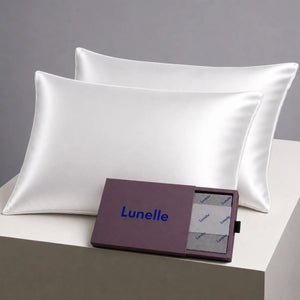
The ribbon handles the daytime. This handles the other eight hours. Guess which one gets more wear.
Shop Now →Does Ribbon Material Really Make a Difference to Hair Health?
The beauty aisle has a vocabulary problem. Words like "satin", "silk-like", and "smooth finish" circulate freely on packaging, and they do not all mean the same thing. Understanding the difference is the first step to choosing a ribbon hair accessory that genuinely works with your hair rather than staging a quiet rebellion against it.
Hair is a protein fibre, and its outer layer, the cuticle, is made of overlapping scales that ideally lie flat and smooth. When those scales are roughed up by heat, chemical processing, or repeated friction, strands stop gliding and start catching. Review articles on hair cosmetics in the peer-reviewed literature note that cuticle damage and loss of surface lubrication increase friction, tangling, and fracture risk. In plain terms: once the outer layer of your hair is compromised, every rough surface becomes a small problem. Accessories are not exempt from this.
Expert Insight
The American Academy of Dermatology warns that regularly wearing tight hairstyles can lead to traction alopecia, a form of hair loss caused by prolonged tension on the hair follicle. Early signs include breakage and thinning around the hairline and temples. The damage can begin before any obvious hair loss is visible, which is why dermatologists recommend loosening styles before problems become apparent.
Source: American Academy of Dermatology (aad.org)
This does not mean ribbons are dangerous. It means the two variables that actually determine whether a ribbon helps or harms your hair are material and tension. A soft, smooth ribbon tied loosely is one of the more hair-friendly accessories available. A stiff, rough ribbon yanked tight enough to leave a crease is a different proposition entirely.
Is Satin the Same as Silk? What Hair Ribbon Labels Actually Mean
Here is where the confusion starts. "Satin" is not a fibre. It is a weave structure. Britannica describes satin as a fabric produced using the satin weave method, which creates a characteristic smooth, shiny surface by keeping most threads floating on one face of the cloth. That means a satin hair ribbon might be made from polyester, rayon, silk, acetate, or any number of other fibres. The satin label tells you how the fabric was woven. It does not tell you what it is made from.
Silk, by contrast, is a natural protein fibre, most commonly produced from the cocoons of the domesticated silkworm Bombyx mori. When you buy a genuine silk ribbon, you are buying the fibre itself, regardless of whether it uses a satin weave, a plain weave, or anything else. A satin-weave silk ribbon combines both: the smoothness of the satin construction and the natural properties of the silk fibre. It is generally the most hair-friendly option, though also the most expensive.
So when someone asks whether a satin hair ribbon is good for hair: the honest answer is "it depends entirely on what the satin is made from." A premium satin-weave polyester ribbon with a very smooth finish will still be smoother than a rough cotton ribbon. But it will not breathe, may generate more static, and will not match the natural feel of real silk. Sleep Foundation notes that while both satin and silk surfaces may reduce friction compared with rougher fabrics, silk tends to have the advantage in breathability and overall feel because it is a natural fibre.
| Ribbon material | Friction level | Breathability | Static risk | Best for |
|---|---|---|---|---|
| 100% mulberry silk | Very low | Excellent | Low | Fine, fragile, curly, or chemically treated hair |
| Satin-weave silk | Very low | Excellent | Low | All hair types; most versatile premium option |
| Polyester satin | Low | Poor | Moderate | Occasional use, budget-conscious styling |
| Velvet | Medium-high | Moderate | Low | Structured autumn and winter styles on thicker hair |
| Grosgrain | High | Moderate | Low | Occasional decorative use; not ideal for fragile hair |
| Cotton or linen | Medium | Good | Low | Casual styles; better breathability but more friction than satin |
Expert Insight
Peer-reviewed reviews of hair cosmetic science note that friction between hair fibres, and between hair and external surfaces, is a primary driver of cuticle damage, tangling, and mechanical breakage. Conditioners and leave-in treatments work partly by improving lubrication and reducing interfibre friction. The same principle applies to accessories: smoother materials create less physical resistance when hair moves against them.
Source: "Hair Cosmetics: An Overview," PMC / National Institutes of Health
How to tie a hair ribbon without causing breakage
The technique matters as much as the material. A silk ribbon tied with the enthusiasm of someone securing cargo to a roof rack will still cause damage. Here is a step-by-step approach that reduces tension and extends both the style and the health of your hair.
- Choose a soft, smooth ribbon. At a minimum, go for polyester satin over grosgrain or rough cotton. If your hair is fine, fragile, bleached, or extension-wearing, a silk ribbon is worth the investment.
- Detangle before you style. Use a wide-tooth comb or a detangling brush from ends to roots before gathering the hair. Attempting to style tangles puts strain on the hair before you have even reached for the ribbon.
- Keep the style low and loose. The lower the ponytail, braid, or half-up style, the less tension on the hairline. High styles concentrate pull on the frontal hairline, which is often the first area to show traction-related stress.
- Position the ribbon at the base of the style, not around a gathered bunch. Wrapping the ribbon around gathered hair and tying a bow at the base distributes pressure across the ribbon's width rather than concentrating it at one point.
- Tie it loosely enough to pass the finger test. Once the bow is tied, you should be able to slide one finger under the ribbon without effort. If you cannot, it is too tight. If it feels pulling at the scalp, it is definitely too tight.
- Do not pull the bow ends to tighten after tying. The instinct to "finish" a bow by pulling the two ends tight is the moment most of the tension damage happens. Stop at the bow. Let the ribbon do the decorative work without bearing load.
Quick-check: before you leave the house
- Ribbon material is soft and smooth (not stiff or rough to the touch)
- Style is positioned low, not pulled tight toward the crown
- One finger fits under the ribbon without effort
- No tension or pulling sensation at the scalp or temples
- No visible stress lines or dents in the hair at the ribbon point
Which Ribbon Styles Work Best for Your Hair Type?
Not all hair types interact with ribbons in the same way. A thick, coarse ponytail held with a wide silk ribbon behaves very differently from a fine, bleached bun cinched with the same piece. Here is what to consider for common hair types.

Fine or low-density hair
Fine hair has less mass to distribute tension across, which means even moderate tightness translates to more strain per strand. A wider ribbon (at least 2cm) spreads the contact area and reduces the pressure per unit of hair. Silk or smooth satin are the strongest recommendations here because fine hair tends to be more prone to static and surface friction. If you notice ribbon-shaped dents in your hair at the end of the day, the ribbon was either too tight or stayed in place too long.
Curly or coily hair
The American Academy of Dermatology advises people with curly hair to be especially gentle because dryness and structural fragility are already common concerns. Curly hair's natural tendency to tangle means friction from rough accessories compounds the problem significantly. A wide, soft silk ribbon in a loose half-up or braid finish is one of the kinder options available. Avoid using ribbons to pin curls flat or to create very tight styles. The goal is decoration, not compression.
Chemically treated or bleached hair
Bleaching and chemical processing compromise the cuticle, which means surface friction does more damage than it would on untreated hair. Treat chemically processed hair the way you would treat fine or fragile hair: softest material available, loosest tension possible, and regular style rotation so the same section of hair is not under repeated stress. The question of how often to wash chemically treated hair follows the same principle: gentler and less frequent tends to preserve condition better than frequent washing.
Hair with extensions
Extensions, both clip-in and bonded, create attachment points that can be stressed by pulling or tight styling. Ribbons tied around extension-wearing hair should be loose enough to avoid putting tension on the bond or clip area. Avoid using a ribbon to cinch a style immediately above or below an extension bond point.
Thick or coarse hair
Thick hair is generally more forgiving, but grosgrain and rough-textured ribbons can still cause friction and catching. A smooth ribbon finish matters less here in terms of breakage risk, but a soft, wide ribbon will look better and feel more comfortable than a narrow, stiff one trying to contain a thick ponytail with the grip of a wristwatch.
Can Hair Ribbons Cause Traction Alopecia?
Traction alopecia is hair loss caused by prolonged or repeated tension on the hair follicle. It does not happen from a single tight style. It develops gradually, often over months or years of styling that puts consistent stress on the same hairline areas. The frontal hairline and temples are the most commonly affected zones because they bear the brunt of tight ponytails, buns, and upstyles.
The early signs are easy to miss: thinning along the hairline, tiny broken hairs at the temples, or a hairline that seems to be retreating slightly. By the time significant hair loss is visible, the follicle may already have experienced sustained damage. Dermatologists note that if caught early, traction alopecia is often reversible once the tension is removed. The longer the damage continues, the more likely it is to become permanent.
Expert Insight
The American Academy of Dermatology recommends switching hairstyle placement regularly to prevent prolonged tension on the same area of the scalp. Wearing the same tight style in the same position every day, even if it feels comfortable, can lead to cumulative damage at the follicle level. Rotating the position of ponytails, braids, and buns, and loosening the tension at each, is one of the most effective preventive measures.
Source: American Academy of Dermatology (aad.org)
A hair bow ribbon used loosely in a low style poses very little traction risk. A decorative ribbon cinching a tight high ponytail or a sleek bun carries the same risk as any other tight style, regardless of how pretty the bow looks. The ribbon is not the variable. The tension is.
The nighttime problem your ribbon cannot solve
The problem: you have chosen a soft ribbon, tied it loosely, and your hair looked genuinely polished all day. Then you sleep on a cotton pillowcase for eight hours, waking up with frizz, tangles, and the kind of static that suggests your hair was staging a demonstration while you were unconscious. Daytime friction management does not carry over into the night automatically.
The solution: a sleep surface that does the same work as your ribbon, but while you rest.
22 Momme Silk Pillowcase, Set of 2
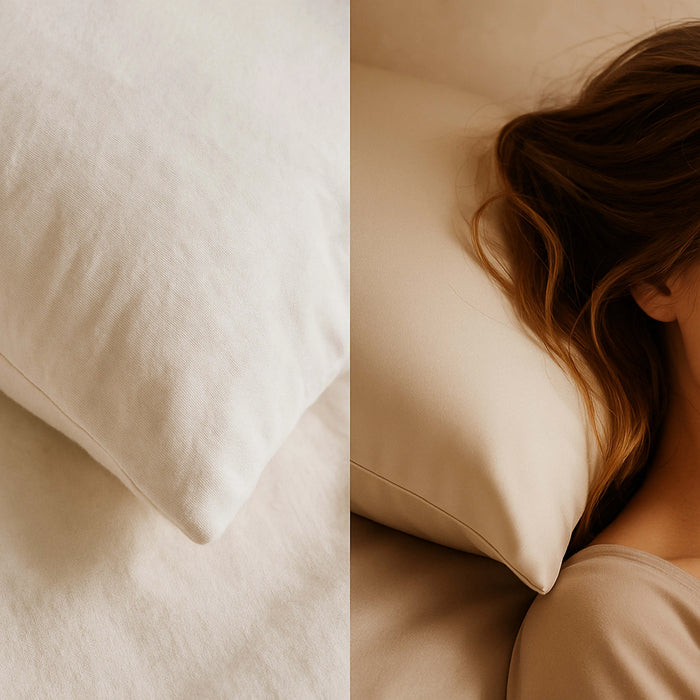
Cotton is absorbent, textured, and prone to gripping hair as you turn in your sleep. Silk, by contrast, has a smooth charmeuse weave that allows hair to move with significantly less resistance overnight. The Lunelle 22 Momme Silk Pillowcase is made from 100% Grade 6A mulberry silk, the same quality of fibre that makes a silk ribbon gentler on hair than a rough elastic. The difference is that this one protects your hair for the other eight hours of the day.
- 100% Grade 6A mulberry silk
- 22 momme weight for the ideal balance of softness and durability
- Charmeuse weave for a smooth, low-friction surface
- OEKO-TEX certified, free from harmful chemicals
- Envelope closure, machine washable
- 60-night guarantee
Your pillowcase works the night shift
Sleep Foundation notes that silk's smooth texture can reduce friction compared with coarser fabrics, which translates to less tangling, frizz, and mechanical breakage for hair. The Textile Research Institute at Princeton reports that silk showed lower friction against hair than cotton in its testing. These findings support the logic that has made silk pillowcases a consistent recommendation among hair stylists and dermatologists: hair moves during sleep, and the surface it moves against determines a lot about what it looks like in the morning.
Expert Insight
Sleep Foundation notes that silk pillowcases are typically assessed by momme weight rather than thread count, and that many quality options fall between 19 and 25 momme. This range balances softness with durability. Higher momme weights feel denser and more substantial; lower weights may be less durable over time. Sleep Foundation's reviews also note that silk absorbs less moisture than many fabrics, which may help hair retain natural oils overnight.
Source: Sleep Foundation (sleepfoundation.org)
A silk pillowcase does not replace a good haircare routine — knowing the signs that your hair is genuinely healthy helps you track whether any routine is actually working. Leave-in conditioners, overnight masks, and styling products all have their place. But combining a gentle daytime ribbon with a low-friction sleep surface addresses friction from two directions at once. That is a more complete approach than either tool can offer alone.
There is also a skin angle worth acknowledging briefly. Cleveland Clinic dermatology guidance notes that friction against a pillowcase can contribute to lash and hair breakage, especially when hair is fragile. For readers also managing dry skin, sleep creases, or sensitivity, the reduced friction argument extends to the face as well. The case for silk is not primarily cosmetic. It is mechanical: less friction means less nightly wear on both hair and skin.
One honest caveat: the most dramatic beauty claims about silk pillowcases, specifically that they erase wrinkles or cure acne, are not supported by rigorous clinical evidence. Sleep Foundation says so plainly. The evidence is strongest around the mechanical logic of friction reduction. That is a real and meaningful benefit. It is simply not magic, and it does not need to be. Silk works well as a gentle surface. That is sufficient.
What Are the Most Common Hair Ribbon Mistakes?
Most ribbon-related hair damage does not happen in a single dramatic incident. It accumulates through small repeated habits that seem harmless individually. Here are the ones worth correcting.
Pulling the bow tight after tying
This is the most common source of tension damage from ribbon styling. A bow that is tied correctly distributes load across the ribbon width. Pulling the ends tightens it to a narrow point. Stop at the bow. If the ribbon is well-made and you have used it correctly, the bow will hold without force.
Using the same style in the same position every day
Even a loose style in the same position creates ongoing pressure at the same follicle points. Dermatologists consistently recommend rotating placement: low ponytail today, half-up tomorrow, braid the day after. The style matters less than the distribution of pressure over time.
Choosing a narrow grosgrain ribbon for fine or fragile hair
Narrow, stiff ribbons concentrate tension at one small point. A wider, softer ribbon (at least 2cm for fine hair) spreads the pressure across more hair and feels more comfortable as a result.
Keeping the ribbon in too long
Extended wear multiplies the effects of whatever tension exists. If the ribbon is genuinely loose, this matters less. If it is even slightly tight, leaving it in for ten hours is meaningfully different from leaving it in for four.
Sleeping in a ribbon
Sleeping in a tight ribbon carries the same risks as sleeping in a tight elastic. If you want to keep hair off your face overnight, a very loose, soft ribbon or a silk scrunchie is a better option than maintaining a styled look through the night.
Expert Insight
The American Academy of Dermatology notes that changing pillowcases at least once a week, and more frequently for those who are acne-prone or who use overnight hair products, can meaningfully reduce the accumulation of oils, sweat, and product residue that can worsen breakouts and irritation. Silk is a gentler surface than cotton, but a clean silk pillowcase is significantly more effective than a dirty one, regardless of the material.
Source: American Academy of Dermatology (aad.org)
The gentler alternative to every rough surface your hair encounters
A soft ribbon for the day. A silk pillowcase for the night. The two together cover the friction problem from both ends.
Shop the 22 Momme Pillowcase →Or explore the 30 Momme option for the premium version. 60-night guarantee on both.
Frequently Asked Questions: Hair Ribbons

Are hair ribbons better for hair than regular elastics?
They can be, provided the ribbon is soft and tied loosely. The key variable is tension, not the accessory type. A hair ribbon tied tight enough to leave an imprint carries the same breakage risk as an overly tight elastic. A loose, soft-material ribbon distributed across a low style is generally gentler than a standard elastic because the contact area is wider and the friction is lower.
What is the best material for a hair ribbon?
100% mulberry silk is the most hair-friendly option because it combines very low friction with natural breathability and low static. Satin-weave silk is equally good and slightly more common as a ribbon material. Polyester satin is a reasonable budget alternative if the finish is genuinely smooth. Avoid grosgrain, stiff cotton, or coarsely woven fabrics for hair that is fine, fragile, or already prone to breakage.
Is a satin hair ribbon the same as a silk ribbon?
No. Satin is a weave structure, not a fibre. A satin ribbon can be made from polyester, rayon, silk, or other materials. The satin label tells you how the fabric was woven, not what it is made from. Always check the material composition before assuming a satin ribbon has the same properties as a silk one.
Can hair ribbons cause traction alopecia?
Yes, if they are used to create regularly tight styles, particularly at the frontal hairline or temples. Traction alopecia is caused by prolonged repeated tension on the follicle, not by a single tight style. Loose ribbons used in low styles carry minimal risk. Tight, repeatedly worn styles in the same position over time carry meaningful risk regardless of the accessory material.
How wide should a hair ribbon be?
At least 2cm for most styles, and wider for fine or fragile hair. Wider ribbons distribute pressure across more hair and tend to feel more comfortable for extended wear. Narrow ribbons (under 1cm) concentrate tension at a single point, which increases the per-strand load, especially in thicker hair gathered tightly.
Which hair ribbon styles are gentlest on hair?
Low ponytails, relaxed braids, and half-up styles are the gentlest because they place less tension on the frontal hairline and allow hair to move naturally. High buns and sleek styles pulled tightly at the crown create more sustained tension and carry higher risk over time, regardless of the ribbon used.
Can I sleep in a hair ribbon?
Not recommended if the ribbon is at all tight. Sleeping in a tightly tied style means the tension continues for seven or eight hours, during which you cannot adjust or loosen it. If you want to keep hair contained overnight, use a very loose, soft ribbon or a silk scrunchie at a low position with minimal gathering force.
Do hair ribbons work with hair extensions?
Yes, with care. Avoid tying a ribbon directly at or immediately above an extension bond or clip point. Position the ribbon slightly above or below the attachment, keep the style loose, and avoid prolonged tight styling that puts pressure on extension anchoring points.
How do I stop a hair ribbon from slipping out?
Tie it over a style that already has some structure, such as a braid or a ponytail held lightly with a covered elastic underneath. A ribbon tied directly into very slippery or freshly conditioned hair will slide more readily. A small amount of dry texture spray or powder on the hair before styling can improve grip without adding weight or friction.
Does a silk pillowcase actually help hair?
It can reduce friction, frizz, and snagging compared with rougher fabrics, and the evidence for this is consistent across sleep research, textile science, and trichology. The more extravagant claims about silk pillowcases, specifically that they prevent wrinkles or eliminate acne, are not supported by rigorous clinical trials. The mechanical case for silk as a lower-friction surface for hair is well founded. That is the benefit worth buying it for.
How often should I wash a silk pillowcase?
Once a week is a sensible standard. If you use overnight hair products, sweat heavily, or are acne-prone, more frequent changes are reasonable. The American Academy of Dermatology and Cleveland Clinic both note that dirty bedding accumulates oil, sweat, and bacteria, which can worsen breakouts and irritation regardless of pillowcase material.
Further Reading
Sources and References
- American Academy of Dermatology. Hairstyles that pull can lead to hair loss.aad.org
- Gavazzoni Dias MF. Hair Cosmetics: An Overview.PMC / NIH
- Britannica. Satin: Silk, Polyester, Weave.britannica.com
- Sleep Foundation. Satin vs. Silk Pillowcase.sleepfoundation.org
- American Academy of Dermatology. 6 curly hair care tips from dermatologists.aad.org
- Cleveland Clinic. 5 Reasons Why Your Eyelashes Are Falling Out.health.clevelandclinic.org
- Sleep Foundation. Best Silk Pillowcase of 2026: Expert Reviewed.sleepfoundation.org
- Textile Research Institute, Princeton. The Fabric Factor: The Role of Your Pillowcase and Hair Accessories in Hair Care.triprinceton.org
- Spandidos DA et al. Fabric Selection in Atopic Dermatitis: An Evidence-Based Review.PubMed
- American Academy of Dermatology. Acne myths: Are any preventing you from seeing clearer skin?aad.org
- Cleveland Clinic. How Often Should You Wash Your Bed Sheets?health.clevelandclinic.org