

Slugging Skincare Method: Why Your Pillowcase Matters
You committed to the glow. You cleansed, layered your serum, sealed everything under a glossy coat of balm, and went to bed dreaming of dewy skin. You woke up to half your routine smeared across the pillowcase and a greasy patch no amount of hot washing seems to shift. The slugging skincare method genuinely works for locking in overnight hydration, but nobody warns you that your bedding pays the price.
This guide explains what slugging is, whether the evidence actually backs it up, how to do it properly, and who should give it a miss. Most usefully, it tackles the question every enthusiastic slugger eventually asks: what do you sleep on so the product stays on your face instead of your fabric? Spoiler: cotton is quietly working against you.
Quick Answer
The slugging skincare method means applying a thin layer of an occlusive, usually petrolatum such as Vaseline, as the final step of your night routine to seal in moisture and reduce overnight water loss. It suits dry or compromised skin. Because occlusives transfer onto bedding, a non-absorbent silk pillowcase keeps the product on your skin and stays cleaner.
Key Takeaways
- Slugging seals hydration in with a thin occlusive layer applied last, over damp, product-treated skin.
- It helps dry, flaky, or barrier-compromised skin most, and can congest oily or acne-prone skin.
- Never slug directly over strong actives like retinoids or acids, as occlusion boosts their potency and irritation.
- Petrolatum transfers heavily onto absorbent cotton, wasting product and staining bedding.
- Silk is a smoother, less absorbent occlusive overnight fabric that keeps more product on your skin and washes clean more easily.
In This Article
- What is the slugging skincare method?
- Does slugging actually work?
- How to do the slugging method step by step
- Who should and shouldn't try slugging
- Why cotton pillowcases ruin slugging
- The best occlusive overnight fabric for slugging
- Does Vaseline stain a silk pillow overnight?
- Slugging method pillow: a decision checklist
- Frequently asked questions

What is the slugging skincare method?
The slugging skincare method is the practice of sealing your night routine with a thin layer of an occlusive product, most famously petroleum jelly, so moisture stays locked into the skin while you sleep. The name comes from the slug-like sheen the balm leaves on your face, which is not exactly a flattering comparison, but skincare TikTok has never been about flattery. According to Cleveland Clinic, it's essentially an occlusion technique borrowed from wound care, where an occlusive layer slows water loss and supports the skin barrier.
An occlusive doesn't hydrate skin on its own. It forms a physical seal over the humectants and moisturisers you applied beneath it, trapping water against the surface so less evaporates overnight. That's why slugging goes last, after cleansing, serums, and moisturiser, and never on bare, untreated skin.
Petrolatum is the classic choice because it's one of the most effective occlusives available and is non-comedogenic in its pure form. Some people slug with balms containing shea, ceramides, or squalane instead, which feel lighter but seal slightly less tightly.
Expert Insight: Dermatologists at Cleveland Clinic note that petroleum jelly can reduce water loss through the skin by a large margin compared with bare skin, which is why it remains a benchmark occlusive for dry and cracked skin.
Source: Cleveland Clinic, What Is Slugging?
Does slugging actually work?
Yes, slugging works for the specific job it's designed to do: reducing overnight moisture loss and helping a dry or damaged barrier recover. The mechanism, occlusion, is well established in dermatology and predates the TikTok trend by decades, whatever the comments section might tell you. What it doesn't do is deeply hydrate on its own or replace the products underneath it.
The strongest evidence sits with petrolatum as a barrier repair aid. The American Academy of Dermatology recommends ointments containing petrolatum for very dry skin precisely because they seal in moisture more effectively than lighter lotions.
Where the claims get oversold is the idea that slugging suits everyone or transforms skin overnight. It's a maintenance and repair step, not a miracle. If your barrier is healthy and your skin is oily, slugging offers little upside and quite a bit of downside.
Expert Insight: The American Academy of Dermatology advises people with dry skin to seal in moisture with an ointment or cream containing ingredients such as petrolatum or mineral oil, applied over damp skin, which is exactly the principle slugging relies on.
Source: American Academy of Dermatology (AAD)
Slugging is skincare's least glamorous miracle: a jar of petroleum jelly quietly outperforming products that cost forty times as much.
How to do the slugging method step by step
To slug correctly, layer your routine from thinnest to thickest and finish with a thin occlusive seal on slightly damp skin. Order matters here, because an occlusive blocks everything applied after it, so it always goes last, no exceptions.
- Cleanse. Remove makeup, SPF, and the day's grime with a gentle cleanser. Sleeping in makeup traps debris and undoes the whole point of slugging, as covered in our guide to what sleeping with makeup on does to your skin.
- Treat. Apply a hydrating serum such as hyaluronic acid, then your usual moisturiser. Do this on damp skin, since there needs to be moisture to seal in the first place.
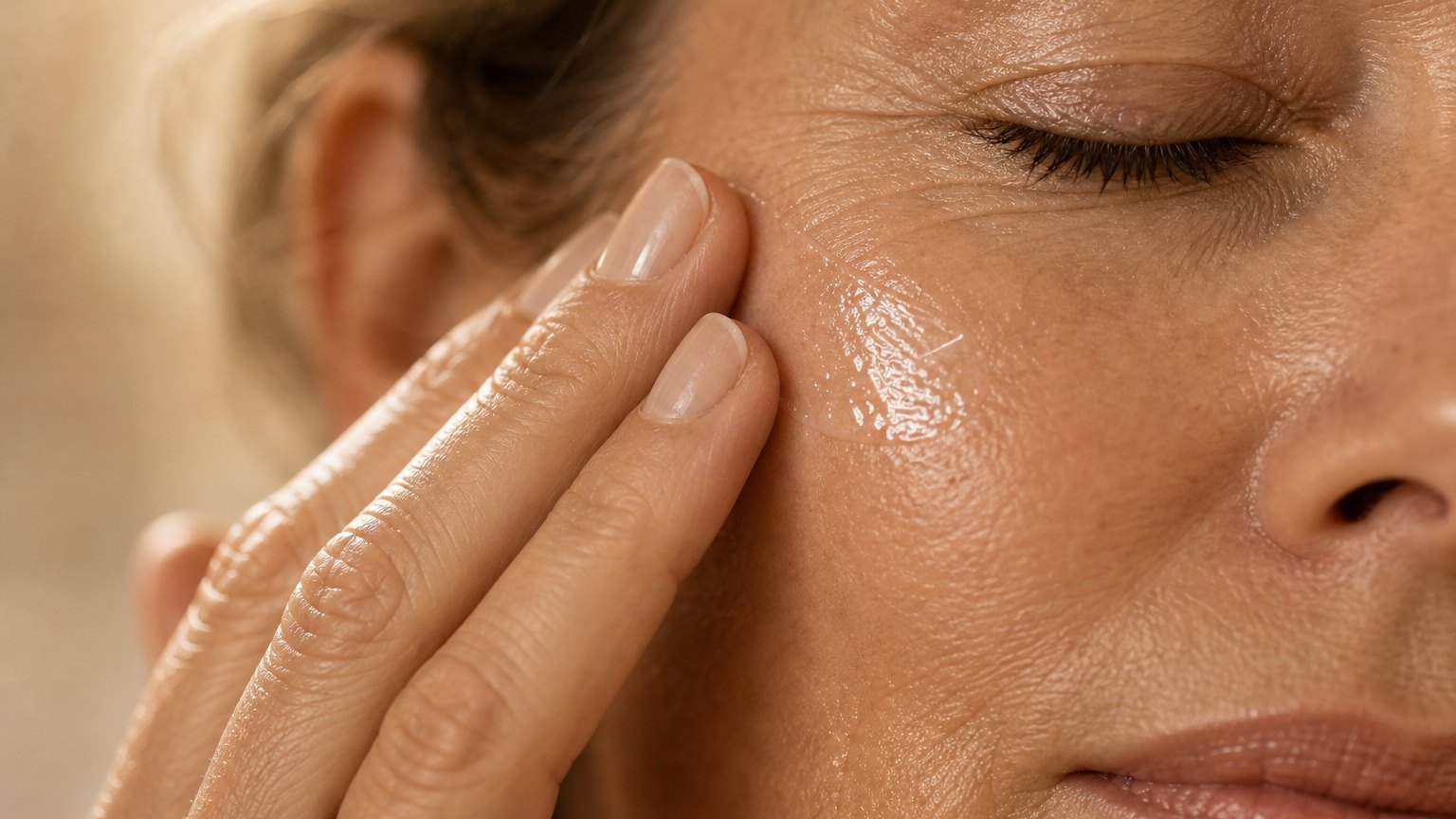
- Seal. Warm a pea-sized to almond-sized amount of petrolatum or occlusive balm between your fingers and press a thin, even film over the face.
- Protect your bedding. Sleep on a smooth, non-absorbent surface so the balm stays on your face, not your pillow.
- Cleanse gently in the morning. Remove the residue with a soft cleanse and carry on with your usual daytime routine, SPF included.
A thin layer is the whole trick. A thick, gloopy coat doesn't seal better, it just migrates onto your pillow and can feel like sleeping under clingfilm. Start with two or three nights a week and see how your skin responds before you go all in.
Expert Insight: Byrdie's dermatology contributors stress that slugging should be the final step over an already moisturised face, and that a thin veil is enough, because petrolatum's job is to seal, not to add its own hydration.
Source: Byrdie
Who should and shouldn't try slugging
Slugging suits dry, flaky, dehydrated, or barrier-compromised skin best, and it's riskiest for oily and acne-prone skin. The single most important safety rule is watching what sits underneath the seal.
Good candidates: people with persistently dry or tight skin, those in cold or low-humidity climates, and anyone whose barrier is irritated from over-exfoliation. Slugging can also comfort conditions that thrive on moisture retention, a theme we explore in our piece on silk bedding for psoriasis.
Approach with caution: oily and acne-prone skin, because sealing in oil and sweat can worsen congestion. Fungal acne is a particular concern, and it doesn't care how good your intentions were.
The active ingredient rule: never slug directly over strong retinoids or exfoliating acids. Occlusion increases how much of an active penetrates, which can turn a tolerable retinoid into a burning, peeling night you'll regret. If you use actives, use them on separate nights from slugging, or apply a buffer of plain moisturiser in between.
Expert Insight: The American Academy of Dermatology advises introducing retinoids slowly and pairing them with moisturiser to limit irritation, which is why sealing a fresh retinoid layer under an occlusive can push potent actives past what sensitive skin tolerates.
Source: American Academy of Dermatology (AAD)
Why cotton pillowcases ruin slugging
Cotton is the worst possible surface to slug on because it's absorbent, and an occlusive routine depends entirely on the product staying on your skin. The moment your greased-up cheek meets a cotton pillowcase, the fabric starts wicking petrolatum off your face and into the weave, exactly where you don't want it.
That creates three problems at once. Your slug layer thins out before it's done its overnight job, so you lose efficacy. The petrolatum soaks into the cotton fibres and becomes a stubborn, rancid-smelling grease stain that survives normal washing. And the transferred oils sit against your skin all night, which can aggravate congestion for anyone already prone to breakouts.
Cotton compounds the issue with friction. Its rougher surface tugs at balmy skin and can smear the layer unevenly across your face, so you wake up with slug in your hairline and none on your jaw. A bit like trying to butter toast with a cheese grater.
Expert Insight: Good Housekeeping's textile testers note that petroleum-based products are among the hardest stains to remove from cotton bedding because the oil binds into the natural fibres, often requiring pre-treatment and repeated washes.
Source: Good Housekeeping Institute
The best occlusive overnight fabric for slugging
The best occlusive overnight fabric for slugging is one that's smooth, tightly woven, and minimally absorbent, which is where silk clearly outperforms cotton. Its tightly woven filament fibres don't drink product the way spun cotton does, so more of your occlusive stays put and actually does its job.
Here's how the common options compare for anyone practising slugging skincare on silk versus other fabrics.
| Fabric | Absorbs product? | Friction on balmy skin | Washes clean? | Verdict for slugging |
|---|---|---|---|---|
| Cotton | High, wicks balm off skin | High, tugs and smears | Poor, oil binds to fibres | Avoid |
| Satin (polyester) | Low, but holds heat | Low | Moderate, can trap odour | Passable, runs hot |
| Mulberry silk | Low, keeps product on skin | Very low, glides | Good with gentle care | Best choice |
Satin, usually woven from polyester, is smoother than cotton and absorbs less, so it's a step up. Its weakness is breathability, since synthetic satin traps heat and can leave sluggers waking up sweaty, which rather defeats the calm overnight seal you're after. We compare the two properly in our explainer on whether satin is good for your hair and skin.
Silk wins because it combines low absorbency with genuine breathability and a naturally smooth surface. Real mulberry silk keeps your slug layer where it belongs, glides against skin without smearing it, and helps regulate temperature so you don't overheat under an occlusive. Momme weight matters here, and our guide to momme weight in silk explains why denser weaves feel more substantial and last longer.
The occlusive-friendly pillowcase that keeps slugging clean
The problem: slugging seals moisture into your skin beautifully, until you lie down and a thirsty cotton pillowcase starts pulling the balm straight off your face and into its fibres, wasting product and staining your bedding.
The solution: a smooth, low-absorbency silk pillowcase that lets the occlusive stay on your skin all night and washes clean without leaving a grease ghost behind.

A cotton pillowcase treats your night cream as its personal moisturiser. Silk lets your skin keep it.
Does Vaseline stain a silk pillow overnight?
A thin layer of Vaseline is far less likely to stain a silk pillow overnight than a cotton one, because silk absorbs so little product, but any occlusive can leave a residue if you're heavy-handed or let it build up over weeks. The trick is a thin application and prompt, gentle washing.
Silk's smooth filament surface means most transferred balm sits on top of the fabric rather than soaking in, so it lifts away more readily in a careful wash. Cotton, by contrast, drags the oil deep into its fibres, where it oxidises into a yellowish, stubborn mark that laughs at your washing machine.
That said, silk still needs the right cleaning approach. Skip the boil wash, because heat sets oil and damages the fibre. Use a lukewarm, gentle cycle with a pH-neutral or silk-specific detergent, and treat any visible spot before it sets. Our complete guide to washing silk properly walks through the full method.
Expert Insight: OEKO-TEX certification under STANDARD 100 confirms a textile has been tested for harmful substances, which matters for anything pressed against occlusive-treated, freshly cleansed skin all night.
Source: OEKO-TEX STANDARD 100
If you slug most nights, rotate two pillowcases so one is always fresh while the other's being washed. A set of two makes this effortless, which is one reason we sell ours in pairs. For those who slug heavily or run warm, the denser 30 momme weave feels even more substantial and is explored in our comparison of whether the extra momme weight is worth the higher price.
Expert Insight: Vogue's beauty desk recommends slugging as a winter barrier ritual but flags that a light hand matters, because a heavy occlusive layer transfers more readily onto pillows and can feel greasy rather than nourishing.
Source: Vogue Beauty
How to handle the morning after slugging
The morning after slugging, cleanse gently to remove the residue, then continue your normal daytime routine with sunscreen. Because occlusives sit on the surface, a soft cleanser or a warm flannel is usually enough, and scrubbing like you're removing a crime scene isn't necessary.
Some people wake with a comfortable, plumped glow, while others find a slightly greasy film they'd rather remove before makeup. Either is normal. If your skin feels congested or you notice new bumps, cut back on frequency or switch to a lighter balm. A calm, well-planned silk morning routine makes the transition from overnight seal to daytime skin feel effortless.
Slugging method pillow: a decision checklist
Before you commit to slugging every night, run through this quick checklist to work out whether the method, and your bedding, is up to the job.
Decision Checklist
- My skin is dry, dehydrated, or barrier-compromised rather than oily or acne-prone.
- I am applying the occlusive over moisturised, damp skin, not bare skin.
- I am not sealing directly over a retinoid or exfoliating acid on the same night.
- I am using a thin layer, not a thick coat.
- I sleep on a smooth, low-absorbency surface such as silk, not cotton.
- I have a spare pillowcase to rotate so one is always clean.
- I know how to gently wash any residue out without hot water.
If most of those boxes are ticked, slugging on silk is a genuinely low-effort way to wake up with softer, more comfortable skin. If you're not sure silk is worth the outlay generally, our pillar guide on why silk pillowcases help hot sleepers covers the broader case, including the temperature regulation that matters under an occlusive.
The premium silk upgrade for dedicated sluggers
The problem: if you slug several nights a week and tend to run warm, a lightweight pillowcase can feel thin and heat up under an occlusive layer, undermining the calm overnight seal you were promised.
The solution: a denser, more substantial silk weave that stays cool, resists transfer, and holds up to frequent gentle washing.

Slug all you like. Keep your bedding pristine.
Give your overnight occlusive routine a surface that keeps product on your skin and washes clean, backed by our 60-night guarantee.
Shop the Collection →Free delivery · 60-night guarantee · Set of 2
Frequently Asked Questions: The Slugging Skincare Method
What is the slugging skincare method in simple terms?
Slugging means sealing your night routine with a thin layer of an occlusive, usually petroleum jelly, so moisture stays locked into the skin overnight. It goes on last, over moisturised skin, and works by slowing water loss rather than adding hydration itself.
Can I slug every single night?
You can, but most people do best slugging two to four nights a week, especially in dry weather. Oily or acne-prone skin should slug less often and watch for congestion. If skin feels comfortable and clear, nightly slugging is fine for dry skin types.
Does slugging cause breakouts?
Slugging can trigger breakouts in acne-prone skin because sealing in oil and sweat encourages congestion. Pure petrolatum is non-comedogenic, but the layers beneath it and any trapped grime can clog pores. Use a thin layer, clean skin, and skip it if you break out.
What can I slug with besides Vaseline?
Alternatives to Vaseline include Aquaphor, ceramide-rich balms, shea-based salves, and squalane occlusive balms. Petrolatum seals most tightly, while ceramide and squalane balms feel lighter and suit those who dislike a heavy film. Choose a fragrance-free, non-comedogenic formula.
Does Vaseline stain a silk pillow overnight?
A thin Vaseline layer rarely stains silk overnight because silk absorbs very little product, unlike cotton, which draws oil deep into its fibres. Any residue that transfers usually lifts in a gentle, lukewarm wash. Avoid hot water, which sets oil permanently.
Why is a silk pillowcase better for slugging than cotton?
Silk is the better slugging method pillow because it's smooth and low-absorbency, so more occlusive stays on your skin instead of soaking into the fabric. It also glides rather than tugging balmy skin, and it washes clean more easily than grease-prone cotton.
Is satin a good occlusive overnight fabric for slugging?
Satin, usually polyester, is smoother and less absorbent than cotton, so it beats cotton for slugging. Its drawback is heat retention, since synthetic satin traps warmth and can leave you sweaty under an occlusive. Breathable mulberry silk regulates temperature better.
Can I slug over a retinoid?
Avoid slugging directly over a retinoid. Occlusion increases how much active penetrates, which can turn a tolerable retinoid into irritation, peeling, and redness. Use retinoids on separate nights, or buffer with plain moisturiser first if your dermatologist advises it.
How do I wash Vaseline out of a silk pillowcase?
Dab a small amount of gentle, pH-neutral detergent onto the mark, leave it ten minutes, then hand wash in lukewarm water below 30C. Never use hot water or a tumble dryer, as heat bonds oil to the silk fibre and sets the stain.
Does slugging work for oily skin?
Slugging offers little benefit for oily skin and can worsen congestion by sealing in excess oil. Oily types with occasional dry patches can slug those areas only. If your barrier is healthy and skin is oily, a lightweight moisturiser is usually enough.
How long does slugging take to show results?
Many people notice softer, more comfortable skin the very next morning because slugging is an immediate moisture-sealing effect, not a long-term treatment. Barrier repair from consistent use builds over one to two weeks. It maintains hydration rather than transforming skin.
Do I still need moisturiser if I slug?
Yes, moisturiser is essential because an occlusive seals in moisture but doesn't add it. Slugging over bare skin traps very little water and can feel greasy for no benefit. Always apply your hydrating serum and moisturiser first, then slug last.
Further Reading
Sources and References
- Cleveland Clinic. What Is Slugging? health.clevelandclinic.org.
- American Academy of Dermatology. Dermatologists' Tips for Relieving Dry Skin. aad.org.
- American Academy of Dermatology. Retinoid and Skin Care Guidance. aad.org.
- Byrdie. Slugging Skincare Explained. byrdie.com.
- Vogue Beauty. On Slugging and Overnight Occlusives. vogue.com.
- Good Housekeeping Institute. Removing Oil and Grease Stains from Bedding. goodhousekeeping.com.
- OEKO-TEX. STANDARD 100 Certification. oeko-tex.com.