
New Silk Pillowcase First Wash: Getting It Right
Lunelle Team
14 min read
You bought a silk pillowcase for less frizz, fewer sleep creases, and mornings that feel slightly less like a personal betrayal. You are now standing over a sink holding a beautiful, expensive-looking piece of fabric, wondering whether washing it will ruin it before you have even slept on it once.
This is a reasonable concern. Silk is a protein fibre, and it does not behave like cotton when treated carelessly. But a new silk pillowcase first wash is not complicated once you understand what you are actually doing and why. The short version: yes, wash it before first use, use cool water and the right detergent, handle it gently, air dry it away from heat, and do not, under any circumstances, interpret the tumble dryer as a time-saving suggestion.
This guide covers everything: why the first wash matters, the step-by-step process for both hand washing and machine washing, what mistakes to avoid, and what your pillowcase should feel like afterwards.
Quick Answer
Yes, wash your new silk pillowcase before first use. New textiles can carry excess dye, manufacturing residues, and handling contaminants that dermatologists advise removing before skin contact. Use cool water (maximum 30°C), a gentle pH-neutral detergent free from enzymes, and minimal agitation. Rinse thoroughly and air dry away from direct sunlight. Do not tumble dry.
Key Takeaways
- Wash new silk pillowcases before first use to remove manufacturing residues, excess dye, and handling contaminants.
- Always read the care label first. If it says dry clean only, that instruction is literal, not a starting suggestion.
- Use cool water, maximum 30°C, and a pH-neutral detergent free from proteases and enzymes, which can damage silk's protein fibre.
- Hand washing is the gentlest option. Machine washing on a delicate cold cycle in a mesh bag is acceptable if the label permits it.
- Air dry away from direct sunlight and heat. Never tumble dry silk.
- A slight softening of feel after the first wash is normal as manufacturing finishes are removed. This is the fabric settling into how it was designed to feel.
In this article
- Should you wash it before first use?
- What the first wash actually removes
- How to wash silk: step by step
- Machine wash vs hand wash
- How to dry your silk pillowcase
- Mistakes that ruin the first wash
- What to expect afterwards
- Ongoing care: keeping it in good condition
- Frequently asked questions

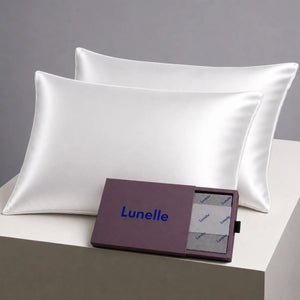
The pillowcase that prompted the question you searched for. Worth it. Also: washable.
Shop Now →Should You Wash a New Silk Pillowcase Before Using It?
In almost all cases, yes. The Sleep Foundation recommends washing new bedding before first use, noting that new textiles come into direct contact with skin for extended periods and may carry residues from manufacturing, packaging, and transit. This applies to silk as much as it does to cotton.
Dermatologists agree. Shilpi Khetarpal, MD, of Cleveland Clinic advises washing new textiles before use because bright dyes can bleed and manufacturing chemicals can irritate skin on first contact. For pillowcases in particular, which rest against your face and hair for seven or eight hours, that first wash removes whatever the fabric collected between the factory and your bedroom. The American Academy of Dermatology recommends washing new clothing and bedding before first use, particularly for people with sensitive or reactive skin, and it is a hygiene step that costs almost nothing to take.
The critical caveat: silk requires a different approach from cotton. Read the care label before anything else. If the label says dry clean only, that instruction is not a manufacturer being overly cautious. It means the construction or dyes of that specific item cannot safely be washed at home. The FTC's care labelling rule exists precisely because fabric behaviour varies. If your pillowcase says dry clean only, send it to a dry cleaner for its first clean and follow the same route going forward.
Expert Insight: Cleveland Clinic dermatologist Shilpi Khetarpal, MD, recommends washing new textiles before use because manufacturing residues, dyes, and chemicals can irritate skin on contact. She specifically includes bedding such as sheets and pillowcases in this advice. For people with sensitive or reactive skin, washing new bedding before it touches their face overnight is especially important.
Cleveland Clinic
What the First Wash Actually Removes
Understanding what you are washing off helps explain why certain steps in the process matter. New silk fabric can carry several things that you do not want sleeping against your face:
- Excess dye: Especially in darker or saturated colours, some unfixed dye can transfer to skin or hair during initial use.
- Manufacturing finishes: Silk fabric is often treated with sizing, softeners, or finishing agents during production to assist with weaving and handling. Cotton Incorporated's textile glossary defines sizing as a starch, gum, or chemical applied to yarns before weaving to improve handling, and it applies equally to silk. These can alter the feel and should be removed before first use.
- Transit and packaging residues: Anything the fabric encountered during packing, shipping, and storage.
- Handling contaminants: Contact with hands and surfaces during quality checking and packaging.
After the first wash, most of these are gone. You may also notice that the fabric feels slightly different from the new state, typically a little softer and more pliable, as the manufacturing finishes are removed. This is normal and the intended feel of the fabric. It is not damage.
How to Wash a New Silk Pillowcase: Step by Step
The full process for a first wash, whether by hand or machine, follows the same core principles: cool water, minimal agitation, no harsh chemistry, and patient drying. Here is the recommended sequence.
- Read the care label. This determines everything. Hand wash, machine wash, or dry clean only will be stated clearly. If no care label is present, default to hand washing in cool water as the safest option.
- Prepare your detergent. Choose a gentle, pH-neutral detergent formulated for silk or delicates. Avoid anything containing proteases, bleach, or optical brighteners. A small amount, roughly a teaspoon or per-label guidance, is sufficient.
- Fill a clean basin with cool water. Maximum temperature is 30°C (86°F). Warmer water can weaken silk's protein structure, cause shrinkage, and dull the sheen. Cold is preferable to hot.
- Add the detergent and submerge the pillowcase. Gently move the fabric through the water for no more than a few minutes. Do not scrub, twist, or wring. Silk fibres are sensitive to mechanical stress, especially when wet.
- Rinse thoroughly. Use cool, clean water and rinse until no detergent traces remain. Residual detergent can irritate skin and affect the fabric's feel over time.
- Remove water without wringing. Press the pillowcase gently between two clean, dry towels to absorb excess moisture. Do not twist.
- Air dry away from heat and sunlight. Lay flat or hang on a padded hanger in a shaded, ventilated area. Direct sunlight degrades silk fibres and can cause yellowing. Heat from radiators or tumble dryers can permanently damage the fabric.
Expert Insight: Slip's silk care guidance recommends hand washing at up to 30°C using a gentle pH-neutral liquid detergent. The Royal Society of Chemistry notes that silk and wool, as protein fibres, do best with non-ionic detergents in slightly acidic to neutral conditions. This is why standard alkaline laundry detergents are unsuitable for silk: they can gradually degrade the fibre at a molecular level.
Slip Silk / Royal Society of Chemistry

Machine Wash vs Hand Wash: Which Is Better for Silk?
Both can work, but hand washing is the gentler and lower-risk option. Machine washing introduces mechanical agitation, spin forces, and the potential for fabric contact with zips or rough items in the drum, all of which can snag or stress silk fibres over time.
| Factor | Hand Wash | Machine Wash (delicate cycle) |
|---|---|---|
| Risk of damage | Lowest | Low to moderate |
| Agitation level | Fully controlled | Automatic, some spin force |
| Recommended protection | None needed | Mesh laundry bag essential |
| Time required | 10 to 15 minutes | 30 to 45 minutes cycle |
| Best for | First wash, premium silk | Ongoing care, if label permits |
If your label permits machine washing and you choose that route, Good Housekeeping's laundry experts recommend a cold, delicate cycle, a mesh laundry bag to prevent tearing or snagging, and washing the pillowcase only with other delicate items. Never wash silk with towels, denim, or anything with exposed hardware like zips or buttons.
Expert Insight: Good Housekeeping's Home Care and Cleaning Lab recommends placing silk pillowcases in a mesh laundry bag before machine washing to prevent tearing and fibre damage from contact with other items in the drum. Their experts also specify cold water and a delicate cycle as non-negotiable for silk, regardless of the machine being used.
Good Housekeeping Home Care Lab
Why This Pillowcase Is Worth the Extra Attention
The problem with most pillowcases: they take whatever you put on your hair and face overnight and work against it. Cotton absorbs moisture, creates surface drag, and contributes to frizz, tangles, and the kind of cheek creases that take the better part of a morning to fade. A silk pillowcase is designed to do the opposite.
The solution is a surface that reduces friction, regulates temperature, and does not strip the moisture your skin and hair spent the night trying to hold onto. The Lunelle 22 Momme Silk Pillowcase is made from Grade 6A mulberry silk in a charmeuse weave, which produces the smoothest contact surface available in a natural bedding fibre.

Why the care investment makes sense: silk at 22 momme lasts significantly longer than cheaper alternatives when washed correctly. The relationship between momme weight and silk durability is well documented. Higher momme means more silk per square metre, a denser weave, and a fabric that holds its smooth surface through years of regular gentle washing rather than months.
- 100% Grade 6A mulberry silk
- 22 momme weight for durability and a smooth, consistent surface
- Charmeuse weave for the lowest possible friction on hair and skin
- OEKO-TEX certified, free from harmful chemicals
- Envelope closure, machine washable with gentle care
- 60-night guarantee
How to Dry Your Silk Pillowcase After Washing
Drying is where many first washes go wrong. The rules are simple but firm.
After pressing out excess water between towels, either lay the pillowcase flat on a clean dry surface or hang it on a padded hanger. Both methods work well. The location matters: choose a shaded, ventilated spot. Direct sunlight causes silk fibres to degrade and can yellow white or ivory silk over time. Heat from a radiator or tumble dryer has the same effect, and quickly.
For drying time: a silk pillowcase in normal room-temperature conditions with moderate ventilation will typically be dry within a few hours. In more humid conditions or cooler rooms, allow a full day. Do not rush the process by placing the fabric near a heat source.
If the pillowcase wrinkles slightly as it dries, a cool iron or steamer can be used if the care label permits, but allow the fabric to cool completely before sleeping on it. Ironing silk that is still damp or ironing on too high a heat can cause irreversible damage to the surface.
The Mistakes That Ruin a First Wash
Most first-wash errors are forgivable in cotton. In silk, they can be permanent. Here are the ones that cause the most damage.
Using the wrong detergent
Silk is a protein fibre made from amino acid chains, the same building blocks found in hair and skin. Standard laundry detergents often contain proteases: enzymes designed to break down protein-based stains. The problem is that they cannot distinguish between a food stain and silk. Published research on protease action in textiles has specifically identified these enzymes as a source of damage to natural protein fibres including silk and wool. Use an enzyme-free, pH-neutral detergent formulated for delicates or silk specifically.
Using hot water
Hot water causes silk fibres to contract, which can lead to shrinkage, distortion, and permanent loss of lustre. Cool water, at or below 30°C, is the correct temperature for silk at every wash, not just the first.
Wringing or twisting
Wet silk fibres are weaker than dry ones and more vulnerable to mechanical stress. Wringing or twisting a wet silk pillowcase can distort the weave or cause fibre breakage. Press between towels instead.
Drying in sunlight or near heat
Both the Canadian Conservation Institute and multiple textile conservation sources note that light is one of the primary causes of silk degradation. UV exposure causes protein fibre breakdown and yellowing that cannot be reversed. Keep drying silk away from windows and radiators.
Adding bleach
Bleach chemically destroys silk fibres and should never be used on any natural protein textile, including silk, wool, or cashmere. If stain removal is needed, spot treat gently with a silk-safe solution before washing.
What to Expect After the First Wash
A well-washed silk pillowcase will feel slightly different from its brand-new state. This is normal and expected.
Before the first wash, silk fabric often carries a light stiffness from sizing or finishing agents applied during manufacturing to assist with weaving and handling. After washing, these finishes are removed and the silk settles into its natural drape and softness. The fabric will feel slightly softer and more fluid, with a more muted sheen than the brand-new state. This is the correct feel of washed silk, not a sign of damage.
The smooth, low-friction surface should remain fully intact. If the pillowcase feels rough, scratchy, or noticeably less smooth after washing, it is worth checking whether the care instructions were followed correctly, particularly around water temperature and detergent type.
Expert Insight: The Sleep Foundation notes that silk's smooth surface is one of the primary reasons people experience less friction on hair and skin compared with cotton. That smooth surface depends on the fibre integrity being maintained through correct washing. Harsh chemicals and high heat degrade the fibre at a structural level, which is why the care steps in this guide matter beyond the first wash as an ongoing habit.
Sleep Foundation
Ongoing Care: Keeping Your Silk Pillowcase in Good Condition
The first wash sets the standard. Maintaining that standard over time is mostly a matter of the same principles applied consistently.
Silk Pillowcase Care Checklist
- Wash weekly, or more frequently if using heavy skincare or hair products overnight. Sleep Foundation recommends washing silk pillowcases regularly to maintain hygiene and fibre integrity
- Always use a pH-neutral, enzyme-free detergent formulated for silk or delicates
- Use cool water only, maximum 30°C
- Hand wash or use a delicate machine cycle with a mesh laundry bag
- Press between towels to remove excess water; do not wring
- Air dry in shade, away from heat sources and direct sunlight
- Iron on the lowest setting only if needed, and only when fully dry
- Store clean, folded or rolled, away from light
For more context on what makes genuine mulberry silk different from the alternatives, the guide to what mulberry silk is explains the fibre properties that justify the care steps above. For anyone comparing pillowcase options, the complete guide to silk pillowcase benefits for hair and skin covers the evidence base in detail.

22 Momme Silk Pillowcase, Set of 2

The right silk pillowcase should be worth the care it requires. Lunelle's 22 momme Grade 6A mulberry silk pillowcase is machine washable on a gentle cycle, which makes the ongoing routine manageable, and the 22 momme weight means it holds its smooth surface for years rather than months. If you are going to invest in the habit of a silk sleep surface, starting with a pillowcase built to last the care regimen is the practical approach.
- 100% Grade 6A mulberry silk, charmeuse weave
- 22 momme: durable enough for regular gentle washing
- Machine washable, gentle cycle, cool water
- OEKO-TEX certified, free from harmful chemicals
- 60-night guarantee
Frequently Asked Questions: New Silk Pillowcase First Wash

Should you wash a new silk pillowcase before using it?
Yes, in almost all cases. Sleep Foundation recommends washing new bedding before first use because it sits directly against skin and may carry manufacturing residues, dyes, and contaminants from transit and handling. Always check the care label first: dry clean only means exactly that.
Can I machine wash a new silk pillowcase?
Only if the care label permits machine washing. If it does, use a cold, delicate cycle, place the pillowcase in a mesh laundry bag to protect it from snagging, and wash it separately from rough items or anything with exposed zips or hooks.
What detergent should I use for the first wash?
Use a gentle, pH-neutral detergent formulated for silk or delicates. Avoid anything containing proteases or enzymes: these can damage silk's protein structure. Avoid bleach, optical brighteners, and fabric softeners. A small amount of the correct detergent is sufficient.
What water temperature is safe for washing silk?
Cool water, at or below 30°C (86°F), is the correct temperature. Hot or warm water causes silk fibres to contract, which can lead to shrinkage, distortion, and permanent loss of sheen. Cold is always safer than warm for silk.
Can I tumble dry my silk pillowcase?
No. Even on a low heat setting, tumble dryers generate heat and mechanical agitation that can permanently damage silk fibres and reduce the smooth finish. Air dry in shade only.
Why does my silk pillowcase feel different after the first wash?
It should feel slightly softer and more fluid than its brand-new state. This is normal: manufacturing finishes applied during production are removed in the first wash and the silk settles into its natural drape. The smooth surface should remain fully intact. If it feels rough, check whether the correct water temperature and detergent were used.
How long does a silk pillowcase take to air dry?
In a ventilated room at normal temperature, a silk pillowcase typically air dries within a few hours. In cooler or more humid conditions, allow a full day. Do not rush the process with heat.
How often should I wash a silk pillowcase after the first use?
At least weekly. Pillowcases have direct and prolonged contact with skin, hair, overnight skincare products, and sweat. More frequent washing is sensible if you use heavy hair products, are acne-prone, or tend to sweat during sleep.
Is silk better than satin for hair and skin?
Often yes, if comparing real silk to synthetic satin. Satin is a weave structure, not a fibre, and most satin pillowcases are polyester. Real silk is a natural protein fibre prized for its smooth surface, breathability, and temperature regulation. You can read more in our guide on whether satin is genuinely good for hair.
Which momme weight is best for a silk pillowcase?
For most everyday use, 19 to 25 momme is the recommended range. This offers a good balance of softness, durability, and drape. Twenty-two momme is a commonly recommended midpoint that holds its smooth surface well through regular gentle washing. For more on this, the complete guide to momme weight in silk covers all the key considerations.
Can I iron my silk pillowcase?
Yes, carefully. Use the lowest iron setting and iron on the reverse side only, after the fabric has fully dried. A cool steamer is often an easier and safer alternative. Never iron damp silk or apply direct high heat.
What if my silk pillowcase says dry clean only?
Follow the label. Dry clean only means the fabric, construction, or dyes of that specific item are not suitable for water-based washing at home. Take it to a professional dry cleaner and use the same route for all subsequent cleanings.
A Silk Pillowcase That Is Made to Be Washed
The Lunelle 22 Momme Silk Pillowcase is machine washable on a gentle cycle, built to hold its smooth surface through years of proper care, and backed by a 60-night guarantee.
Shop the Pillowcase →60-night guarantee. Free returns if you do not notice the difference.
Further Reading
Sources and References
- Sleep Foundation. Should You Wash New Sheets? Yes, Here's Why. sleepfoundation.org
- FTC. Care Labeling of Textile Wearing Apparel and Certain Piece Goods. ftc.gov
- Slip. Care for Your Slipsilk. slipsilkpillowcase.eu
- Good Housekeeping. How to Wash Silk Pillowcases Without Damage. goodhousekeeping.com
- PubMed. Restricting Detergent Protease Action to Surface of Protein Fibres. pubmed.ncbi.nlm.nih.gov
- PMC. A Brief Review on Factors Affecting the Tribological Interaction Between Skin and Textiles. pmc.ncbi.nlm.nih.gov
- Sleep Foundation. Benefits of a Silk Pillowcase. sleepfoundation.org
- Cotton Incorporated. Textile Glossary. cottoninc.com
- Cleveland Clinic. Should You Avoid Going to Bed With Wet Hair? newsroom.clevelandclinic.org