
Is a Silk Pillowcase Worth It? What 30 Days of Use Actually Showed
You have seen the claims: fewer creases, calmer hair, better skin, deeper sleep. Then you saw the price and hesitated. So is a silk pillowcase worth it, or is it a pretty upgrade you will forget about in a fortnight? To answer honestly, we used one every night for 30 days and tracked what genuinely changed against what the marketing promises.
The short version: for most people it earns its place, but not for the dramatic reasons adverts suggest. The real value is quieter and more consistent. This article walks through the 30-day experience, the actual cost per night, what the evidence supports, how silk compares to satin and cotton, and exactly who should skip it.
Quick Answer
Yes, a silk pillowcase is worth it for most people. Over 30 days of nightly use it reduced hair friction, morning frizz and sleep creases, and felt cooler than cotton. The benefits are modest but consistent, and a quality mulberry silk case lasts years, making the cost per night small.
Key Takeaways
- Silk reduces surface friction, which is why hair looks smoother and skin shows fewer overnight creases, per Cleveland Clinic dermatology guidance.
- Benefits are real but gradual. Expect subtle improvements over weeks, not a transformation overnight.
- A good mulberry silk pillowcase costs pennies per night once you spread the price across years of use.
- Momme weight matters: 22 momme suits most sleepers, while 30 momme is the durable, premium choice.
- Silk will not clear acne or grow hair on its own. Treat it as a supportive habit, not a cure.
- Skip it if you will not follow gentle care, or if a budget cotton case genuinely serves you better.
In This Article
- What does worth it actually mean?
- The 30-day test: what changed
- Is a silk pillow worth the money?
- What the evidence says about hair
- What the evidence says about skin
- The nightly friction problem
- Silk vs satin vs cotton
- Does momme weight change the value?
- Who should buy one (and who should not)
- The honest downsides
- Frequently asked questions
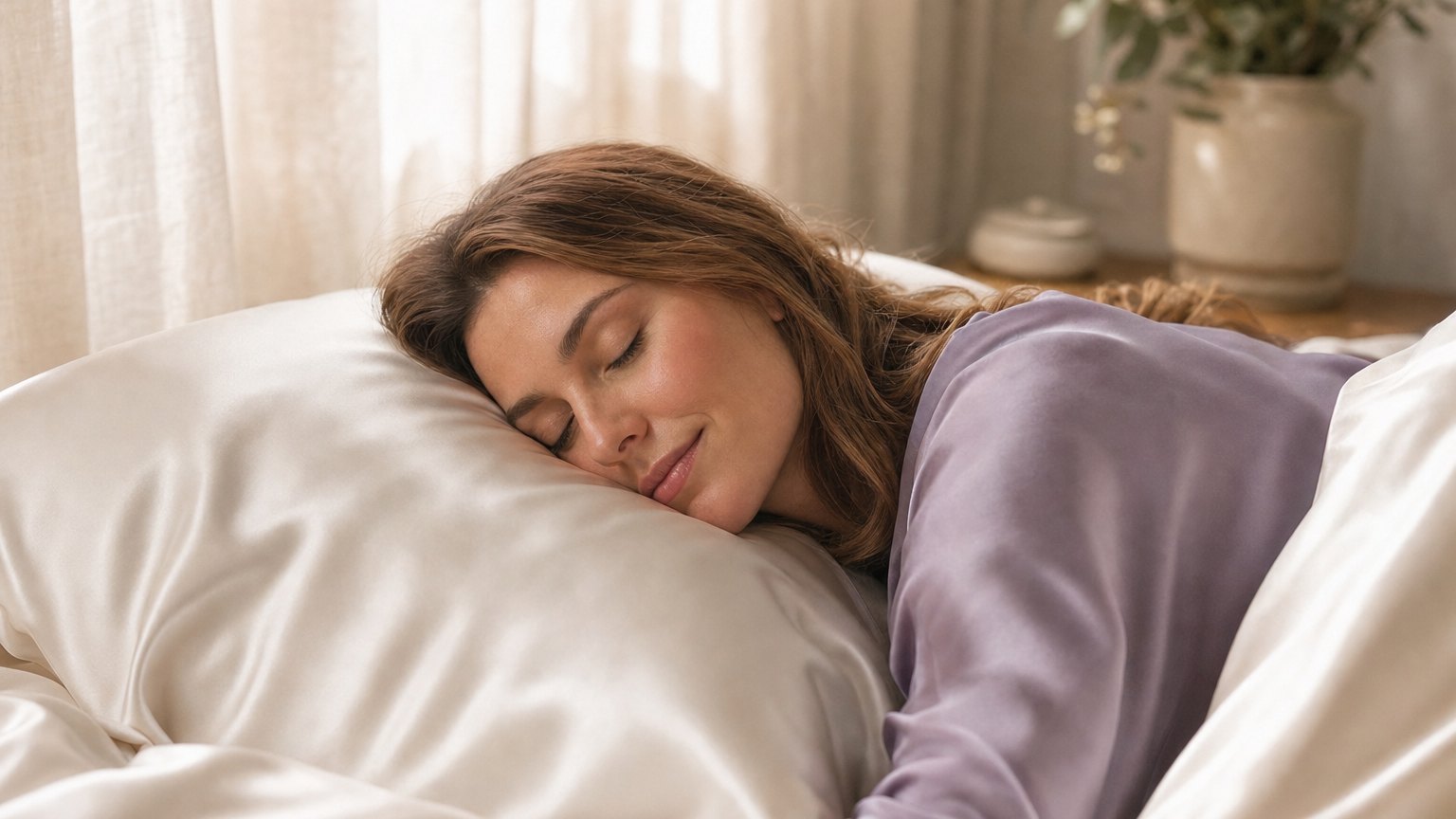
What does worth it actually mean for a silk pillowcase?
Worth it means the benefit you feel justifies the price you pay across the years you use it. For a silk pillowcase, that comes down to three honest questions: does it noticeably help hair or skin, does it improve sleep comfort, and does it last long enough to make the cost reasonable.
The trap is expecting a miracle. A pillowcase cannot fix damaged hair, cure breakouts, or replace sleep hygiene. What it can do is stop adding a nightly source of friction and moisture loss that cotton quietly creates.
So we judged value on realistic terms: small, repeatable improvements you actually notice, plus durability. Measured that way, the answer is far more defensible than either the hype or the cynicism suggests.
A silk pillowcase is not a treatment; it is the absence of a nightly problem you did not know you had.
The 30-day test: what actually changed
Across 30 nights on a 22 momme mulberry silk pillowcase, the changes were gradual, consistent and mostly about texture rather than transformation. Nothing dramatic happened on night one, which is exactly what you should expect from an honest silk pillowcase review.
Week one: comfort and temperature
The first thing noticed was feel. Silk sits cooler against the face than cotton because it does not trap heat the same way, a point supported by the Sleep Foundation's guidance on silk bedding. Hot sleepers noticed it fastest.
Week two: morning hair
By the second week, waking hair looked smoother with less frizz and fewer overnight tangles. The pillow simply let hair slide instead of gripping it. Bedhead was easier to tame in under a minute.
Weeks three and four: skin and consistency
Sleep creases on the cheek faded faster after rising, and the skin felt less tight than after cotton nights. According to Cleveland Clinic dermatology guidance, silk's smooth surface creates less friction against skin, which supports these fewer creases. These were subtle wins, but by day 30 they were reliable rather than random.
Expert Insight: Cleveland Clinic dermatologists note that silk's smooth surface creates less friction against skin and hair than cotton, which can mean fewer creases and less tugging overnight, though silk is a supportive habit rather than a treatment.
Source: Cleveland Clinic, Health Essentials

Is a silk pillow worth the money once you do the maths?
Is a silk pillow worth the money? On a per-night basis, yes, because the price spreads across years of use. A quality mulberry silk pillowcase is an upfront cost, not a recurring one, so the real question is durability, not the ticket price.
A well-made case looked after properly can last several years. Divide the purchase across that lifespan and the cost per night becomes small, especially when a set includes two cases so one is always in the wash.
Cheap silk is the false economy. Thin, low-momme cases can shred, snag or lose their softness quickly, which is exactly the silk pillow cost benefit problem to avoid. Checking for an OEKO-TEX STANDARD 100 certification confirms a textile has been tested for harmful substances, a useful trust marker when comparing cases at very different prices. Our own guide to whether cheap mulberry silk pillowcases are worth it breaks down where bargain versions cut corners.
Expert Insight: OEKO-TEX STANDARD 100 certification tells you a textile has been tested for harmful substances, a useful trust marker when comparing silk pillowcases at very different prices.
Source: OEKO-TEX
What the evidence actually says about silk and hair
The strongest, most defensible benefit of silk is reduced friction, and friction is directly relevant to hair. Less surface drag means less tugging, fewer tangles and less mechanical stress on the hair shaft as you move through the night.
The American Academy of Dermatology emphasises minimising friction and rough handling to protect hair, which is the mechanism silk supports overnight. Silk does not grow hair or repair damage, and it is fair to be sceptical of any claim that it does.
For anyone with fragile, curly, coloured or chemically treated hair, the friction reduction is most noticeable. If you want the deeper dive, our article on whether a silk pillowcase actually works for hair covers the evidence in detail.
Expert Insight: Byrdie's beauty editors and the trichologists they consult consistently frame silk pillowcases as a preventative measure that reduces breakage-causing friction rather than a growth or repair treatment.
Source: Byrdie
What the evidence says about silk and skin
Silk's smoothness reduces the pressure creases and tugging that cotton can leave on facial skin overnight. Those sleep lines fade faster in the morning, which is the most reliable skin observation from the 30-day test.
On moisture, silk is less absorbent than cotton, so it draws less of your skincare and natural oils off your face during the night. This is helpful, though it will not replace a moisturiser or fix dehydration on its own.
On acne, be honest: no strong evidence shows silk clears breakouts. A clean pillowcase of any fabric matters more here. Silk can be part of a gentle routine, but it is not a spot treatment.
Expert Insight: The American Academy of Dermatology advises changing pillowcases regularly to limit the transfer of oil and bacteria that can aggravate breakouts, a reminder that hygiene, not fabric alone, drives clearer skin.
Source: American Academy of Dermatology
The nightly friction problem, and a pillowcase that solves it
The problem: cotton pillowcases have a rougher surface than they feel, and every time you turn, they grip and tug at your hair and press folds into your skin. Over years, that adds up to frizz, tangles and morning creases you blame on other things.
The solution: a pillowcase with a genuinely smooth, low-friction surface that lets hair and skin glide rather than snag, while staying cooler and less absorbent than cotton.

Silk vs satin vs cotton: an honest comparison
Silk, satin and high-thread-count cotton are the three realistic options, and each has genuine strengths. Silk is the most complete but not always the right choice for every budget or every sleeper, so here is the honest comparison.
Satin is a weave, not a fibre, and can be made from polyester. It offers a similar smooth surface at a lower price, but it is warmer, less breathable and less durable than mulberry silk. Good Housekeeping's testing team distinguishes true mulberry silk from polyester satin, noting that silk's natural breathability justifies its higher price. Our breakdown of whether satin is good for hair covers where it holds up.
Cotton is breathable and cheap but the most absorbent and highest-friction of the three. It is a fine budget choice if you are diligent with skincare and do not mind morning frizz.
| Factor | Mulberry silk | Satin | Cotton |
|---|---|---|---|
| Friction on hair and skin | Lowest | Low | Highest |
| Breathability and coolness | Cool and breathable | Warmer, less breathable | Breathable but warms up |
| Moisture retention | Less absorbent | Varies by fibre | Very absorbent |
| Durability | Years with care | Shorter lifespan | Long but rougher over time |
| Upfront price | Highest | Low to mid | Lowest |
| Care | Gentle wash needed | Easy | Easiest |
| Verdict | Best all-round value over time | Good budget smoothness | Fine on a tight budget |
Expert Insight: Good Housekeeping's testing team distinguishes true mulberry silk from polyester satin, noting that silk's natural breathability and fibre quality justify its higher price for durability and temperature comfort.
Source: Good Housekeeping
Satin borrows silk's smoothness for a night; silk keeps it for years.
Does momme weight change whether it is worth it?
Momme weight changes both feel and durability, so it directly affects value. Momme measures the density of the silk: higher numbers mean a heavier, thicker, more hard-wearing fabric. For pillowcases, the meaningful range sits between 19 and 30 momme.
22 momme is the popular sweet spot: smooth, cool and durable enough for nightly use without feeling heavy. It is what most people should buy, and it delivered every benefit in the 30-day test.
30 momme is the premium tier: denser, more opaque and more resistant to snagging, with a more substantial drape. If you want maximum longevity or simply prefer a weightier feel, it earns its higher price. For the full explanation, see our reference on momme count in silk and whether the 30 momme extra weight is worth the price.
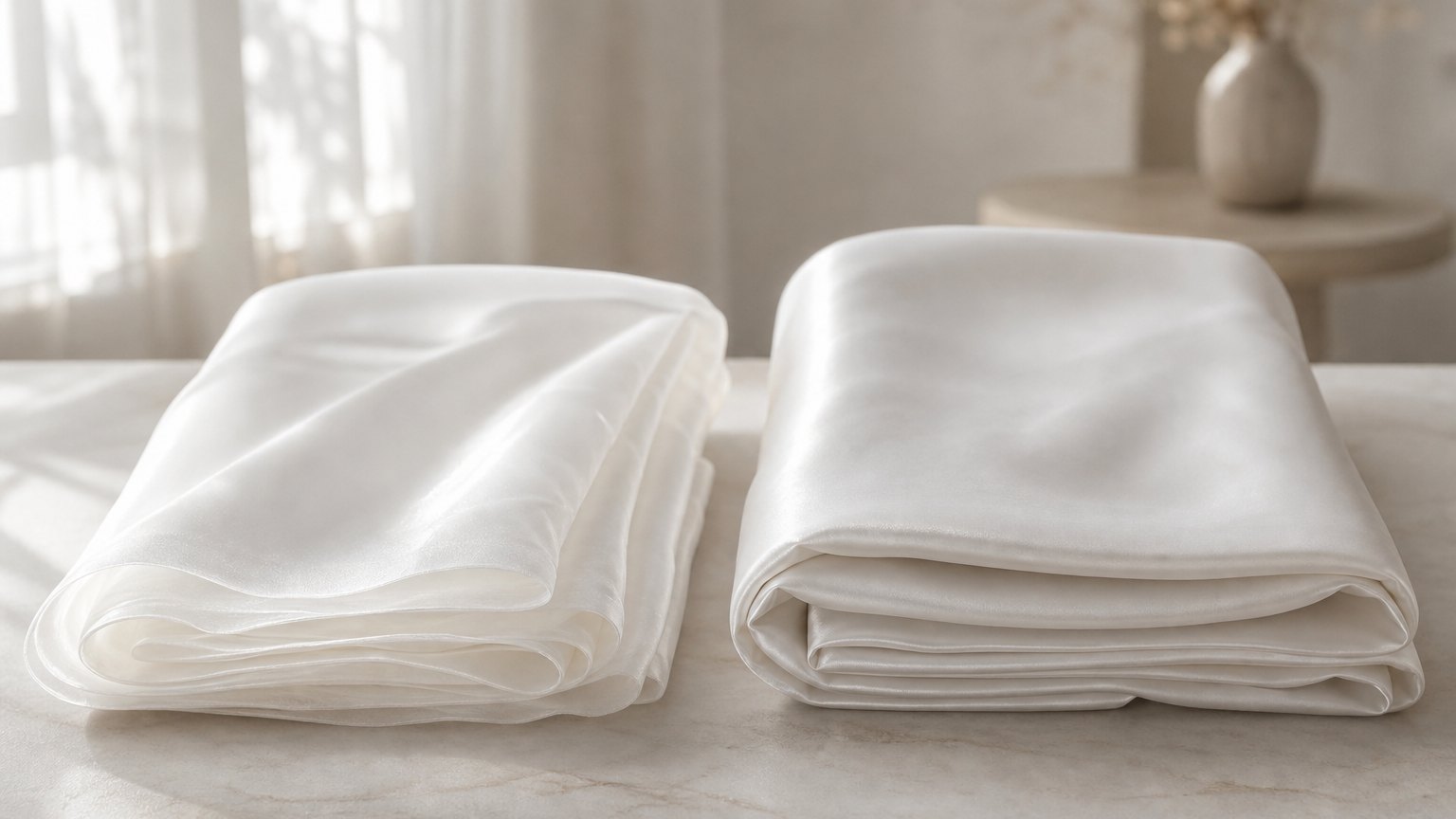
Who should buy a silk pillowcase, and who should not?
A silk pillowcase is most worth it for people with fragile, curly, coloured or frizz-prone hair, sensitive or ageing skin, hot sleepers, and anyone who wants a low-effort upgrade to their nightly routine. Those groups notice the friction and temperature benefits fastest.
It is less essential for people on a very tight budget who are happy with cotton, or for anyone unwilling to follow gentle washing. If you will not care for silk properly, the value drops quickly.
Decision Checklist
- Do you wake with frizz, tangles or hair breakage? Silk helps.
- Do you get deep sleep creases or find cotton feels rough? Silk helps.
- Are you a hot sleeper who overheats at night? Silk runs cooler.
- Have you invested in nighttime skincare you would rather keep on your face? Silk absorbs less.
- Are you willing to wash on a gentle cycle and air dry? If yes, silk lasts and pays off.
- Is your budget extremely tight and cotton is genuinely fine for you? You can skip it.
- Want the longest-lasting, most substantial option? Choose 30 momme.
If you want the longest-lasting option: the premium upgrade
The problem: lighter silk delivers the benefits but a fine weave shows wear sooner if you are a restless sleeper or wash frequently.
The solution: a heavier, denser weave that keeps the same smooth, cool, low-friction surface while resisting snags and lasting longer.

The honest downsides you should weigh first
Silk pillowcases have real drawbacks, and pretending otherwise would fail an honest review. The clearest is price: a quality mulberry case costs more upfront than cotton, and cheap silk often is not worth buying at all.
Care is the second downside. Silk needs a gentle wash and air drying, so it is slightly more effort than tossing cotton in on a hot cycle. Skip that care and the fabric wears faster.
The third is marketing hype. Some brands over-promise acne cures and hair growth that the evidence does not support. For a full account, read our piece on the disadvantages of silk pillowcases and our wider explainer on what is actually true about the benefits. For the complete picture, our complete silk pillowcase guide pulls the evidence together.
Expert Insight: The Sleep Foundation notes that while silk feels luxurious and sleeps cool, buyers should verify momme weight and fibre authenticity, since price alone does not guarantee genuine mulberry silk.
Source: Sleep Foundation
Expert Insight: Cleveland Clinic advises that silk pillowcases can complement a skincare routine but should not be expected to treat medical skin conditions, which require proper dermatological care.
Source: Cleveland Clinic
Feel the difference in your first week or send it back
Try Lunelle mulberry silk risk-free. If your hair and skin do not thank you, our 60-night guarantee has you covered.
Shop the Collection →Free delivery · 60-night guarantee · Set of 2
Frequently Asked Questions: Is a Silk Pillowcase Worth It?

Is a silk pillowcase really worth the money?
Yes, for most people. A quality mulberry silk pillowcase reduces hair friction and skin creases and sleeps cooler than cotton. Because it lasts years with gentle care, the cost per night is small, which is what makes it worth the money rather than the sticker price.
How long does it take to see results from a silk pillowcase?
Most people notice smoother morning hair and cooler sleep within one to two weeks, with skin creases fading faster by the third or fourth week. Results are gradual and subtle, not overnight, so give it a full month before judging.
Should I buy a silk pillowcase if I have short hair?
Yes, though the hair benefit is smaller with short styles. You still gain the skin, temperature and comfort advantages, and reduced friction helps prevent breakage regardless of length. Fine or fragile short hair benefits more than thick, robust hair.
Do silk pillowcases actually help skin and wrinkles?
Silk reduces overnight pressure creases and absorbs less moisture and skincare than cotton, so skin can look fresher in the morning. It does not prevent ageing wrinkles or treat acne. Cleveland Clinic frames it as supportive, not a treatment.
Is 22 or 30 momme silk better value?
22 momme is the best value for most sleepers: smooth, cool and durable at a lower price. 30 momme costs more but is denser and longer lasting, making it better value for restless sleepers or frequent washers who prioritise longevity.
Are cheap silk pillowcases worth it?
Usually not. Very cheap silk is often low momme, thin or blended, and it snags, thins or loses softness quickly. Look for genuine mulberry silk, a stated momme weight and OEKO-TEX certification, or a false economy will cost more over time.
Is silk or satin better for a pillowcase?
Silk is better overall. Satin is a weave, often polyester, that mimics the smooth surface at a lower price but runs warmer, breathes less and wears out sooner. Silk is more breathable, more durable and gentler over years of use.
How often should I wash a silk pillowcase?
Wash it roughly every three to seven days, similar to any pillowcase, to limit oil and bacteria on the fabric. Use a cool, gentle cycle with a mesh bag and a pH-neutral silk detergent, then air dry away from direct heat.
Do silk pillowcases attract dust mites?
Silk is naturally less hospitable to dust mites than some fabrics because it holds less moisture, and it is often marketed as hypoallergenic. Regular washing matters most for allergen control, so keep any pillowcase clean regardless of fibre.
How long does a silk pillowcase last?
A quality mulberry silk pillowcase can last several years with gentle washing and air drying. Higher momme weights like 30 momme tend to last longer. Replace it when you notice thinning, persistent snags or a loss of smoothness.
Can a silk pillowcase help hair growth?
Not directly. Silk does not grow hair, but by reducing friction it limits breakage and tangling that can make hair look thinner and shorter. The American Academy of Dermatology stresses minimising friction to protect existing hair.
Is a silk pillowcase worth it for acne-prone skin?
It can be a gentle, supportive part of your routine because it is smooth and less absorbent, but there is no strong evidence it clears acne. Clean pillowcases and proper skincare matter far more, so treat silk as complementary.
Further Reading
Sources and References
- Cleveland Clinic. Are Silk Pillowcases Better for Your Skin and Hair? health.clevelandclinic.org
- Sleep Foundation. Silk Sheets and Bedding Information. sleepfoundation.org
- American Academy of Dermatology. Tips for Healthy Hair. aad.org
- OEKO-TEX. STANDARD 100 Certification. oeko-tex.com
- Byrdie. Silk Pillowcase Benefits for Hair and Skin. byrdie.com
- Good Housekeeping. Best Silk Pillowcases, Tested. goodhousekeeping.com