
Advantages of a Satin Pillowcase: The Real Story
Lunelle Team
15 min read
You went to bed with perfectly presentable hair. By morning, eight hours of pillow friction had quietly renegotiated the arrangement. If your pillowcase is standard cotton, that is not an accident. Cotton snags, grabs, and pulls hair in several directions while you sleep, and it is not apologetic about any of it.

Satin is the answer a lot of people reach for first, and it is not a bad one. The advantages of a satin pillowcase are real and well-documented: a smoother surface, less friction, less frizz, and a noticeable step up from the cotton default. Dermatologists at the American Academy of Dermatology and Cleveland Clinic both cite satin as a practical protective option for hair during sleep, particularly for curly or chemically treated hair.
But satin is not a single, consistent thing. It is a weave, not a fibre, and what lies beneath that weave matters enormously for breathability, temperature regulation, and what actually happens to your skin during a warm night. This article explains what satin's advantages genuinely are, where they stop, and when it makes sense to go further.
Quick Answer
The main advantages of a satin pillowcase are reduced friction on hair and skin, less overnight frizz and tangling, a softer feel than standard cotton, and an accessible price point. Satin is a weave, not a fibre, so most satin pillowcases are made from polyester. This affects breathability and temperature regulation. For the same friction benefits with better breathability and natural-fibre comfort, genuine silk is the stronger upgrade.
Key Takeaways
- Satin is a weave structure, not a fibre. Most satin pillowcases are polyester, which affects temperature regulation and breathability.
- The American Academy of Dermatology recommends satin or silk pillowcases to reduce friction on hair, particularly for curly and coily types.
- Satin's main advantages are reduced overnight friction and frizz, a smoother feel against skin, and affordability compared with silk.
- Polyester satin retains heat, which matters for hot sleepers. Natural silk is more breathable and temperature-regulating by comparison.
- Satin is a solid upgrade from cotton. Silk is a stronger upgrade from satin, especially if breathability, natural fibres, or premium feel are priorities.
In this article
- What is satin, exactly?
- Why your pillowcase matters more than you think
- The real advantages of satin
- Which hair types benefit most?
- Satin vs silk: what the research shows
- Satin pros and cons: the honest summary
- Is synthetic satin a different product?
- Is satin worth it? A decision guide
- Frequently asked questions

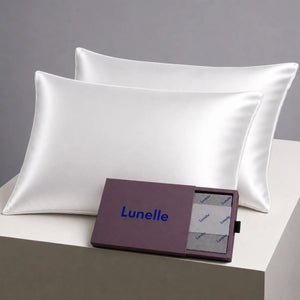
Satin is smooth because of how it is woven. Silk is smooth because of what it is. There is a difference, and it tends to show up around 3am.
Shop Now →What Is Satin, Exactly? It Is Not What You Think
One of the biggest sources of confusion around satin pillowcases is that "satin" describes a weave, not a material. The glossy, slippery-looking finish comes from the way threads are woven: longer thread "floats" across the surface create a face side with less interlacing, which produces more shine and a smoother feel. Encyclopaedia references on the satin weave confirm that the method can be applied to silk, polyester, acetate, rayon, nylon, and other fibres.
In practice, that means the word "satin" on a pillowcase label tells you about the surface texture, not the material. A polyester satin pillowcase and a silk satin pillowcase can look almost identical in a photograph. What they will not do is behave the same way against your face, hair, or body at 2am when the room is warm, your overnight skincare is doing its work, and your hair has decided to explore its options.
Expert Insight: The satin weave is defined by its construction, not its fibre content. Encyclopaedia sources on satin weave construction note that satin refers to the long-float structure that produces a smooth, lustrous face. This is why checking fibre content on any pillowcase label matters as much as the word "satin" itself.
Encyclopaedia.com, Weave and Satin
This distinction matters a great deal when you are evaluating satin pillowcase pros and cons, because many of the benefits people associate with satin (smoothness, reduced friction) come from the weave, while many of the potential downsides (heat retention, lower breathability, static) come from the fibre.
Why Your Pillowcase Is Working the Night Shift Against You
Hair damage is not only the result of heat styling, colour treatments, or over-enthusiastic ponytail holders. Friction is a significant contributor, particularly during the eight or so hours you spend pressed against a pillow. Peer-reviewed research on hair shaft damage and friction identifies abrasion as a key cause of cuticle roughening, protein loss, and increased breakage, with wet or already-weakened hair showing the greatest vulnerability.
Conditioners help in part because they deposit positively charged molecules onto the hair shaft, which reduces inter-fibre friction and improves combability. The mechanism is essentially the same principle as a smoother sleep surface: less drag means less damage. Hair tribology research published in PMC confirms that friction is central to how hair behaves under contact stress, and that surface characteristics of both hair and the material it contacts affect the outcome.
Skin has its own overnight story. Peer-reviewed research on sleep wrinkles in Aesthetic Surgery Journal describes how repeated compression and distortion during sleep contribute to facial creasing over time, with side and stomach sleepers being the most affected. A smoother, less abrasive sleep surface reduces mechanical distortion. It does not substitute for sunscreen, retinoids, or genetics, but it does mean your cotton pillowcase may be undoing some of what your evening routine builds.
 The Real Advantages of a Satin Pillowcase
The central advantage is straightforward: satin creates a smoother surface than standard cotton, which reduces drag on hair and skin during sleep. The Sleep Foundation notes that satin can reduce friction compared with rougher weaves, and the American Academy of Dermatology specifically recommends satin or silk pillowcases to reduce friction, help preserve curls, and lower the risk of overnight breakage, particularly for curly and coily hair types.
For people who go to bed with damp hair because blow-drying felt unreasonable, satin is also a more forgiving surface. Cleveland Clinic dermatologist Shilpi Khetarpal, MD, notes that wet hair is more fragile and that friction from a rough pillowcase can increase breakage. Swapping cotton for satin or silk reduces that risk, even if going to bed with completely dry hair is still the better long-term habit.
Satin can also feel gentler on skin. The Sleep Foundation describes satin weaves as smooth enough to reduce scratchiness against the face and neck, which is why people with sensitive or easily-irritated skin often prefer it over a rougher weave. And for the budget-conscious: the Sleep Foundation specifically recommends satin to shoppers who want a more luxurious feel without paying silk prices. That is where satin earns its popularity honestly.
| Feature | Standard Cotton | Polyester Satin | Mulberry Silk |
|---|---|---|---|
| Friction on hair | High | Low | Lowest |
| Breathability | Good | Poor | Excellent |
| Temperature regulation | Moderate | Poor (retains heat) | Excellent |
| Moisture absorption | High | Low | Moderate (regulated) |
| Natural fibre | Yes | Usually no | Yes |
| Price | Low | Low to medium | Higher |
| Care requirements | Easy | Easy | Gentle wash |
Expert Insight: The American Academy of Dermatology recommends that people with curly hair sleep on a satin or silk pillowcase, or wear a satin or silk bonnet, to reduce friction and help maintain curl definition overnight. The AAD notes that curly hair is generally more vulnerable to dryness and breakage, making the sleep surface particularly important for this hair type.
American Academy of Dermatology
Which Hair Types Benefit Most from Satin?
Not every hair type responds the same way to a satin pillowcase. The benefit is always reduced friction, but how much that matters depends on your hair's specific vulnerabilities.
Curly and coily hair
This is the category where satin earns the most consistent endorsements. Curly and coily textures naturally have more surface area exposed to friction as you move during sleep, and the AAD specifically calls out this type when recommending silk or satin pillowcases. For curl preservation and reduced morning frizz, swapping a cotton pillowcase for satin often produces the most noticeable difference.
Chemically treated or colour-treated hair
Bleaching, relaxing, perming, and even frequent colouring can compromise the hair cuticle, leaving strands more porous and prone to friction damage. Hair shaft research confirms that compromised cuticles generate more friction against fabrics, which accelerates further damage. Satin provides a gentler surface for already-weakened hair and can help slow structural deterioration between appointments.
Fine and straight hair
Fine hair can break more easily than it looks, particularly around the hairline and crown where contact with the pillow is most consistent. Satin does not prevent breakage entirely, but reducing the drag that fine hair experiences overnight can result in less split-end formation and less "halo" frizz in the morning.
Wet or damp hair sleepers
If your hair is even slightly damp at bedtime, the case for a smooth sleep surface becomes more urgent. Wet hair is structurally weakened: the cortex swells, the cuticle is more vulnerable, and friction causes more damage than it would on dry hair. Cleveland Clinic advises caution about going to bed with wet hair specifically because of breakage risk. If eliminating this habit entirely is not realistic, satin is at minimum a damage-reduction strategy rather than a solution.

When Your Sleep Surface Becomes the Problem
The problem with cotton: no matter how good your hair and skincare routine is, the fabric your face and hair rest on for seven to nine hours each night exerts its own influence. Friction, absorption, and surface texture all act on your hair and skin while you are unconscious and unable to object.
The solution is a pillowcase that works with your hair and skin rather than against them. The Lunelle 22 Momme Silk Pillowcase is made from Grade 6A mulberry silk woven in a charmeuse pattern, which creates the smoothest contact surface available in a bedding fabric.

Why it works: unlike polyester satin, genuine silk is a natural protein fibre that regulates temperature, allows skin to breathe, and creates a consistently smooth surface without the heat-trapping effects of synthetic materials. It reduces overnight friction for hair and skin simultaneously, making it effective for frizz, sleep creases, and general comfort.
- 100% Grade 6A mulberry silk
- 22 momme weight for the ideal balance of softness and durability
- Charmeuse weave for a smooth, low-friction surface
- OEKO-TEX certified, free from harmful chemicals
- Envelope closure
- Machine washable
- 60-night guarantee
Satin vs Silk Benefits: Where the Research Lands
If the question is "is satin good for hair," dermatologists and the Sleep Foundation both say yes: satin's smooth surface reduces friction, which is why it outperforms cotton for hair protection. That part is settled. The more interesting question is "is satin or silk better for hair," and this is where the answer becomes more nuanced than most buying guides allow.
The Sleep Foundation notes that silk, as a natural protein fibre, is typically more breathable than satin made from synthetic materials, and is less likely to draw moisture and natural oils from hair, which can contribute to dryness and brittleness over time. That is a meaningful distinction for people with dry, fragile, or highly textured hair. Silk also tends to offer better temperature regulation, which matters if you sleep warm and currently find your satin pillowcase feeling clammy by morning.
For a deeper look at the properties that make genuine silk the stronger long-term choice, the comprehensive guide to silk pillowcase benefits covers the fibre science in detail. It is worth reading once you know satin's advantages and want to understand the specific differences that justify the higher price point.
Expert Insight: The Sleep Foundation notes that silk is exceptionally breathable, gentler on hair, and less likely to draw oils from hair compared with synthetic satin. For hot sleepers or people with dry or fragile hair, silk's natural temperature regulation and moisture-balancing properties make it the more complete upgrade over both cotton and polyester satin.
Sleep Foundation
Satin Pillowcase Pros and Cons: The Honest Summary
Satin deserves a fair accounting. Here is what it does well and where it falls short.
The genuine advantages
- Smoother surface than most standard cotton pillowcases, reducing friction on hair and skin
- Widely recommended by dermatologists for reducing overnight hair breakage and frizz
- Often machine-washable and straightforward to maintain
- Considerably less expensive than genuine silk
- Available in a wide range of colours and sizes
- A noticeable step up from cotton for most people who try it
The honest limitations
- Most satin pillowcases are polyester, not silk, so they lack silk's breathability and temperature regulation
- Polyester satin can retain heat, making it uncomfortable for people who sleep warm
- Lower durability than high-momme silk; may pill, snag, or lose its surface quality faster
- Static potential is higher with synthetic fibres than with natural ones
- Not a natural fibre, which matters for those who prioritise sustainable or non-synthetic bedding
The practical conclusion: satin is the good-value choice. Silk is the better-performance choice. If budget is the primary concern, satin is a sensible buy. If breathability, natural fibres, and the full long-term upgrade matter more, silk earns the additional investment.
Is Synthetic Satin a Different Product Altogether?
In some respects, yes. Polyester satin shares the weave structure that creates a smooth surface, but because polyester is a petroleum-derived synthetic fibre, it behaves quite differently from natural fibres like silk, cotton, or linen once you are actually sleeping on it.
Heat retention is the most commonly noticed issue. Polyester does not breathe in the same way natural fibres do. If you are already a warm sleeper, synthetic satin can amplify that experience rather than relieve it. The Sleep Foundation specifically flags this: hot sleepers may prefer silk's better temperature regulation over synthetic satin's performance.
There is also a hygiene dimension worth understanding. Research on bacterial behaviour in textiles has found that polyester can show higher bacterial adhesion in certain conditions compared with some natural fibres. This does not mean a polyester satin pillowcase is inherently unsanitary, but it does reinforce the importance of regular washing, particularly for acne-prone or oily skin. Cleveland Clinic recommends washing sheets at least weekly, and that applies at minimum to pillowcases, which have the most direct and prolonged contact with skin.
Expert Insight: Peer-reviewed textile research indicates that polyester fabrics can exhibit higher bacterial adhesion under certain conditions compared with natural fibres. For people with acne-prone or oily skin, this reinforces the recommendation to wash pillowcases frequently regardless of fabric type. Whatever you sleep on, regular laundering is non-negotiable.
PMC / Applied and Environmental Microbiology
Is Satin Worth It? A Practical Decision Guide
Whether satin is the right choice depends on what you are trying to achieve and what you are willing to invest. Here is a simple framework.
Choose satin if:
- Budget is your primary constraint and any smooth upgrade over cotton is the goal
- You mainly want to reduce frizz and tangles without a significant price commitment
- You are curious about the benefits of a smooth sleep surface and want to test the concept affordably before investing in silk
- Easy care (machine wash, no special detergent) is important to you
- You do not sleep particularly warm or notice temperature-related sleep disruption
Choose silk if:
- You sleep warm and want natural breathability and temperature regulation
- Your hair is dry, fragile, colour-treated, or naturally moisture-sensitive
- You want a natural fibre with known provenance and no synthetic content
- Long-term durability and a lasting smooth surface matter more than initial price
- Skin comfort and reducing sleep creases are priorities alongside hair protection
For a detailed breakdown of what mulberry silk actually is and why fibre quality varies so significantly between products, that article covers the distinctions worth understanding before you buy. And if you want to understand what momme weight means in silk, that guide explains why 22 momme is the most commonly recommended choice for everyday pillowcase use.

22 Momme Silk Pillowcase, Set of 2
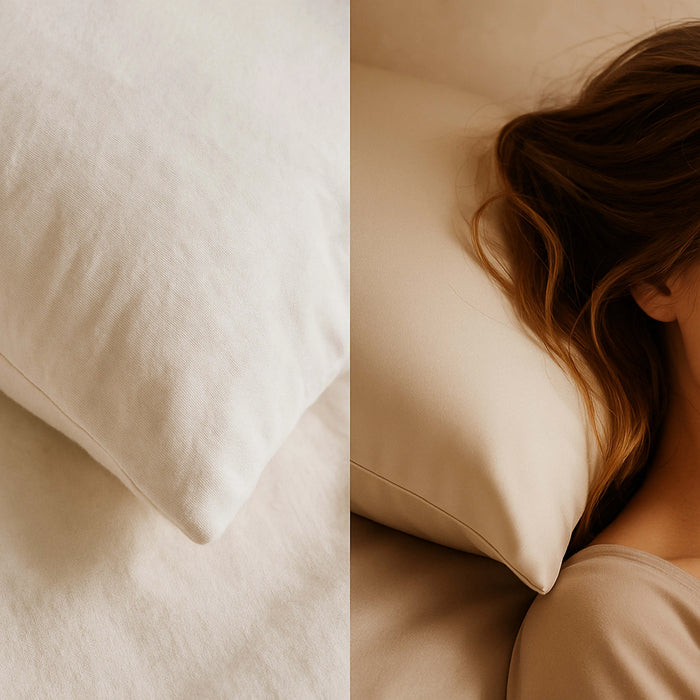
Once you know the advantages of satin and where they stop, the next step is clear. Genuine mulberry silk delivers the same low-friction sleep surface as satin while adding breathability, natural temperature regulation, and a fibre that works with your skincare rather than sitting on top of it. The disadvantages of silk pillowcases are real too, mostly the higher price and the gentler care requirements. But for most people who make the switch, the nightly difference is the one that settles the question.
- 100% Grade 6A mulberry silk, charmeuse weave
- 22 momme, the ideal balance of softness, durability, and breathability
- Smooth, low-friction surface for hair and skin
- OEKO-TEX certified, free from harmful chemicals
- Machine washable, envelope closure, 60-night guarantee
Frequently Asked Questions: Satin Pillowcase Advantages

Are satin pillowcases actually good for hair?
Yes, genuinely. Satin's smooth surface reduces friction on hair during sleep, which the American Academy of Dermatology says may help reduce breakage and preserve hairstyles, particularly for curly and coily hair. The benefit is mechanical: less drag means less cuticle damage and less frizz by morning.
Is satin better than cotton for hair protection?
Yes, in most cases. Cotton creates more surface drag against hair than a smooth satin weave, which contributes to frizz, tangling, and overnight breakage. Swapping cotton for satin reduces that friction meaningfully, especially for longer, curlier, or chemically treated hair.
Is satin or silk better for hair?
Silk is generally better, especially if breathability and fibre quality matter to you. Both reduce friction over cotton, but silk is a natural protein fibre that also regulates temperature and is less likely to strip moisture from hair. For hot sleepers and people with dry or fragile hair, silk usually wins.
Do satin pillowcases help reduce wrinkles?
They may help reduce sleep creases by lowering friction and pressure against the face. Peer-reviewed research supports the idea that repeated nighttime compression contributes to wrinkle formation over time. A satin pillowcase will not reverse existing lines or replace good skincare, but it can reduce the mechanical stress that contributes to new ones.
Is satin good for sensitive or acne-prone skin?
It can be gentler than rough cotton weaves. However, for acne-prone skin, hygiene matters more than fabric type: Cleveland Clinic advises washing pillowcases regularly to prevent bacteria buildup. If your skin is highly reactive, also consider whether any laundry products used on the pillowcase contain fragrances or irritants.
Does satin retain heat at night?
Polyester satin can, yes. Because polyester does not breathe the way natural fibres do, it tends to trap heat against skin. Hot sleepers often find synthetic satin uncomfortable for this reason. Silk, being a natural fibre, regulates temperature more effectively and is generally cooler against skin.
What is a satin pillowcase actually made from?
Most satin pillowcases sold at standard retail prices are made from polyester. Satin describes the weave structure, not the fibre content. Silk satin pillowcases exist and offer all the weave benefits plus silk's natural properties, but they are considerably more expensive. Check the label for fibre content, not just the word "satin."
How often should I wash a satin pillowcase?
At least weekly is the standard recommendation. Cleveland Clinic advises washing bed linen weekly for hygiene, and pillowcases, which have the most direct contact with skin, hair, and overnight products, should be washed at this frequency at minimum. More frequent changes are sensible if you use heavy hair products or are acne-prone.
Is satin worth it if I cannot afford silk?
Yes. Satin is a meaningful upgrade over standard cotton for reducing friction on hair and skin, and it is available at a significantly lower price than genuine silk. The Sleep Foundation specifically recommends satin to budget-conscious shoppers who want a smooth, comfortable sleep surface. It is a smart starting point even if silk is the eventual goal.
How long does a satin pillowcase last?
With regular washing, most polyester satin pillowcases maintain their surface quality for about one to two years before showing signs of pilling, snagging, or reduced smoothness. Higher-quality satin cases may last longer. Genuine silk, at higher momme weights, typically outlasts polyester satin with proper care.
Can a satin pillowcase cause static in my hair?
Polyester satin has higher static potential than natural fibres because synthetic materials tend to build up electrical charge. If static is an existing issue for your hair, particularly in dry climates or winter months, silk is the better long-term choice. You can read more about why static happens in our guide on why hair goes staticky and what actually helps.
Is polyester satin environmentally sustainable?
Not particularly. Polyester is a petroleum-derived synthetic that does not biodegrade readily and sheds microplastics during washing. Natural silk, by contrast, is a biodegradable protein fibre from renewable sources. If sustainability is a priority, natural silk or organic cotton are the more environmentally sound choices.
Ready to Sleep on Something Genuinely Better?
The Lunelle 22 Momme Silk Pillowcase delivers everything satin promises, and then some. Less frizz, smoother mornings, and a natural fibre that works with your hair and skin rather than against them.
Shop the Pillowcase →60-night guarantee. Free returns if you do not notice the difference.
Further Reading
Sources and References
- American Academy of Dermatology. 6 Curly Hair Tips from Dermatologists. aad.org
- Sleep Foundation. Satin vs. Silk Pillowcase. sleepfoundation.org
- Cleveland Clinic. Should You Avoid Going to Bed With Wet Hair? newsroom.clevelandclinic.org
- Cleveland Clinic. How Often Should You Wash Your Bed Sheets? health.clevelandclinic.org
- Encyclopaedia.com. Weave, Satin. encyclopedia.com
- PMC / International Journal of Trichology. Hair Shaft Damage from Heat and Drying Time of Hair Dryer. pmc.ncbi.nlm.nih.gov
- PubMed / Aesthetic Surgery Journal. Sleep Wrinkles: Facial Aging and Facial Distortion During Sleep. pubmed.ncbi.nlm.nih.gov
- PMC / Applied and Environmental Microbiology. The Bacterial Life Cycle in Textiles is Governed by Fiber Hydrophobicity. pmc.ncbi.nlm.nih.gov
- PMC. Systems Approach to Human Hair Fibers (hair tribology). pmc.ncbi.nlm.nih.gov
- TRI Princeton. Everyone Is Talking About Silk Pillowcases. triprinceton.org
- Good Housekeeping. How to Wash Silk Pillowcases Without Damage. goodhousekeeping.com